A Force for Health Read & Listen Experience

The Accident

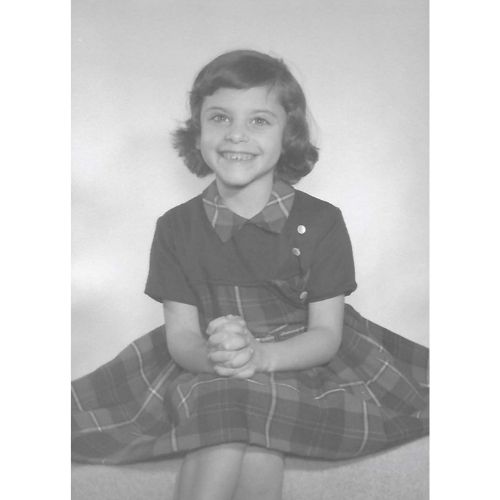
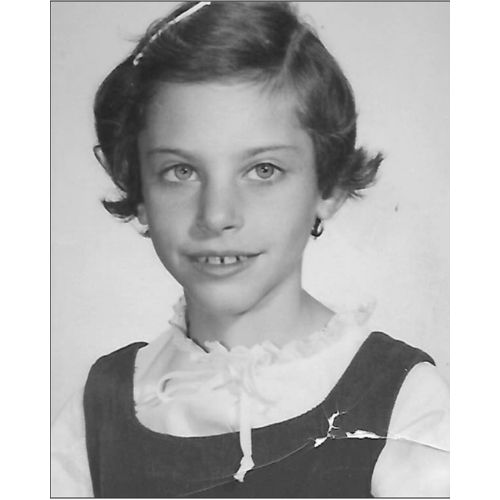
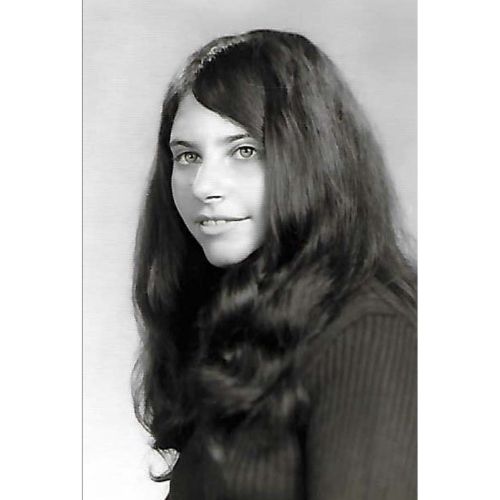
by Gayle Petrillo · Finding Your SuperPower

A true story of a childhood burn, the fears that followed, and the courage to overcome them. Read along or listen in the narrator's voice — and learn how to keep the people you love safe from burns.

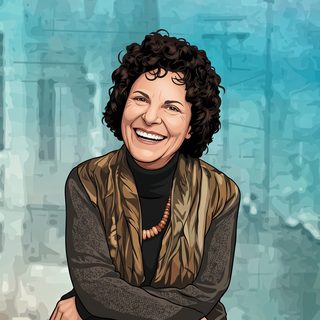
Coach LucyDr. RobCoach Gayle PetrilloHosted by Coach Lucy & Dr. Rob, in partnership with Coach Gayle (Gayle Petrillo)
Get the book Start reading ↓
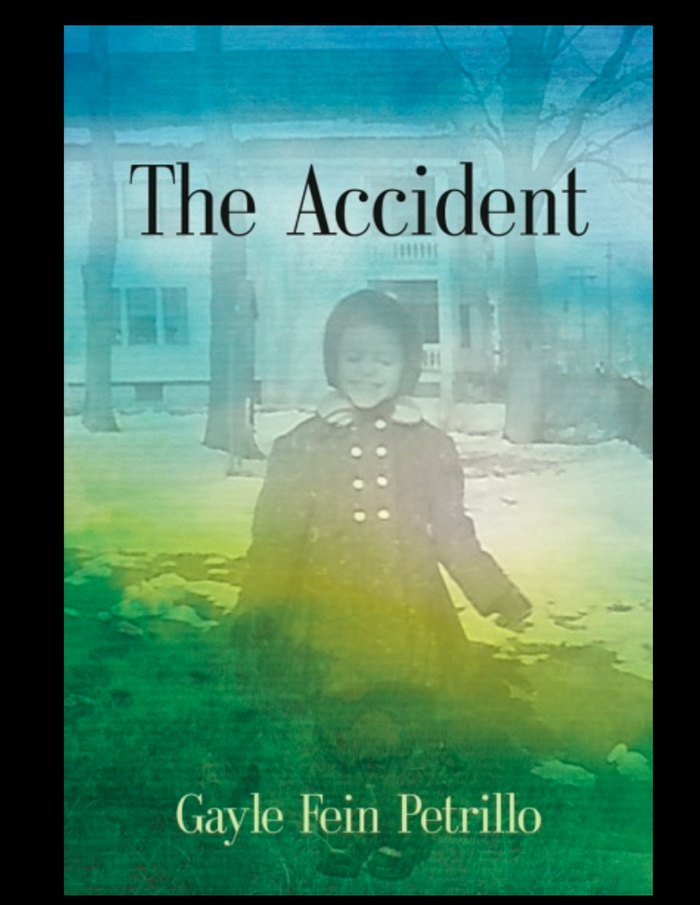
The Accident by Gayle Fein Petrillo
The Accident
Gayle Fein Petrillo
Finding Your SuperPower
Start here

Who are you here as?

Pick your path — the story is the same, but here are the burn-prevention facts that matter most for you.

👶 Parent / New Family — For the highest-risk years (ages 1–4)
  • Hot bath or tap water causes more than half of all scald burns in young children.
  • A child's skin is much thinner than an adult's — it burns deeper, faster, and at lower temperatures.
  • Set your water heater to 120°F or lower. At 140°F a child can be badly burned in about 5 seconds; at 120°F it takes about 10 minutes.
  • Make a 3-foot 'kid-free zone' around the stove, cook on back burners, and turn pot handles in.
  • Never hold your child while carrying a hot drink. In the bath, seat your child facing away from the faucet and test the water on your wrist.
  • Skip the microwave for baby bottles — it heats unevenly and creates scalding hot spots.
🔥 Everyday Person — Any burn — kitchen, grill, electrical, chemical, sun
  • Each year the U.S. treats roughly 398,000 fire/flame burns and 252,000 contact burns — and most are preventable.
  • More than a third of burn hospitalizations happen May–August — grilling, fireworks, and bonfire season.
  • For ANY burn: cool running water for about 20 minutes. No ice, no butter, no toothpaste.
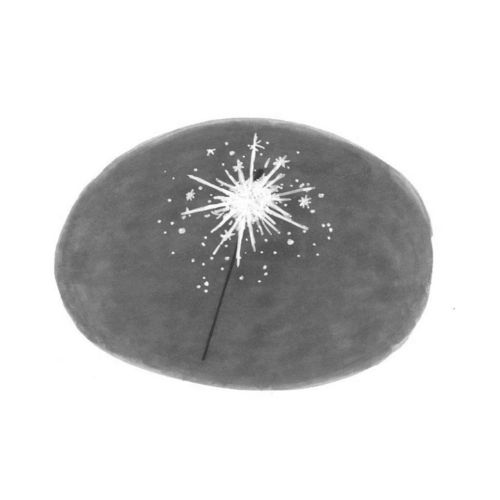
  • Sparklers burn near 1,800–2,000°F — hot enough to cause a serious burn in an instant.
  • Never throw water on a grease or electrical fire — smother a grease fire with a lid; cut the power first for electrical.
  • Sunburn is a burn. UV damages skin — use SPF 30+, reapply, and seek shade at midday.
🤝 Ambassador — Go deeper — connect people to help
  • Burns are the third leading cause of childhood-injury death worldwide.
  • Specialized burn centers achieve about a 97.7% survival rate — but access to them is uneven.
  • Fewer than 40 of the ~75 verified U.S. burn centers are pediatric-verified, and over half of Americans live 2+ hours from a verified center.
  • About 1 in 10 pediatric burn admissions involves abuse — know the red flags and how to report.
  • A free smoke-alarm drive with your local fire department is one of the highest-ROI things a community can do — with documented lives saved.
  • The most common cause is an everyday tipped hot drink — which is exactly why Gayle's story teaches so well.
📊 County Health Leader — Real local gaps & opportunities
  • About 120,000 children under 21 are treated in U.S. emergency departments for burns every year.
  • The pediatric burn-surgeon pipeline is shrinking — mandatory burn rotations were dropped from residency — creating a regional workforce gap.
  • Over 50% of the U.S. population lives more than 2 hours from a verified burn center (another ~21% by air).
  • Burn and fire data is free and county-mappable: CDC WISQARS/WONDER, HCUP, NFIRS, and NEMSIS.
  • Federal burn-disaster planning specifically emphasizes vulnerable populations, including children — a real grant hook.
  • A county Burn-Safety Score turns this advocacy into a defensible number that moves funding.
The Book

Read & Listen — chapter by chapter

Press ▶ on any chapter to hear it narrated by Jess Morris, or read along. Earn a Learn It coin as you go.

Welcome

Introduction — Finding Your SuperPower

🎧 Listen — IntroductionNarrated by Jess Morris

Throughout her life, Gayle turned obstacles into opportunities. In this book, she shares the obstacles she faced and overcame after suffering a burn injury at the age of three. She hopes others learn from her story and are comforted by her extraordinary path to personal and professional success.

---

Gayle Petrillo turned a childhood accident into a lifelong gift. Read along, or press play and let Jess read to you. Earn a Learn It coin for each chapter you finish.

Chapter 1

Remembering

Chapter 1 — Remembering
🎧 Listen — Chapter 1 — RememberingNarrated by Jess Morris

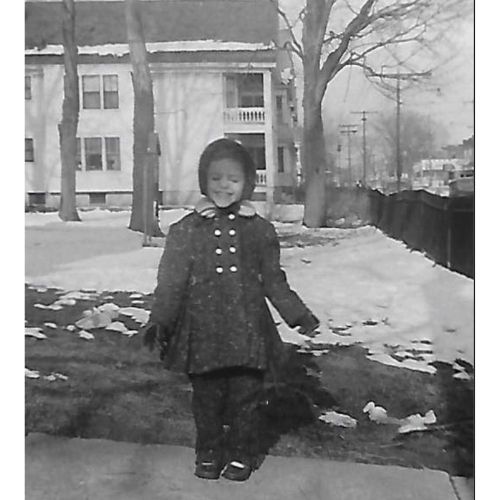
I loved to hold up three fingers when anyone asked how old I was. But the truth was, I was not quite three years old yet on that beautiful, sunny October day.

I was so excited. I was going with my mom to our neighbor's house for a grown-up tea party. I pranced out to the kitchen wearing my favorite pink dress and black, patent leather Mary Jane shoes. "Mommy, how pretty do I look?" I twirled in front of my mother, my smile almost as big as her beautiful white necklace—the one she would let me wear when we played dress up.

She told me I looked beautiful! Then she told me I had to change. We would be playing outside before the tea party, so I had to dress warmly.

I was sad that I couldn't wear my perfect princess dress, but I found a pair of colorful corduroy pants with a matching top and flannel jacket. Soon I felt so cozy that I forgot about my disappointment. It was time for the tea party!

The leaves were piled high in my neighbor's yard. I couldn't wait to jump into them with my new friends. We lived in Upstate New York and had just moved from my very first home—a small farm in the country. What I missed most was when Daddy put me on his shoulders and took me out in the field to see the horses. He'd set me on the ground and let me feed an apple to Tiny, the biggest of six huge workhorses. Tiny's giant mouth would take the apple out of my hand so gently. His soft nose always tickled and made me laugh.

Playing outside in the leaves was so much fun, but oh the smell of those warm cookies escaping out the back door! I kept my jacket on as we ran inside, but pulled off my hat. I felt the top of my head to be sure my hair ribbon was still tied around my barely-there ponytail. I had a private giggle remembering that I was hiding my new lacy undershirt beneath all of my layers.

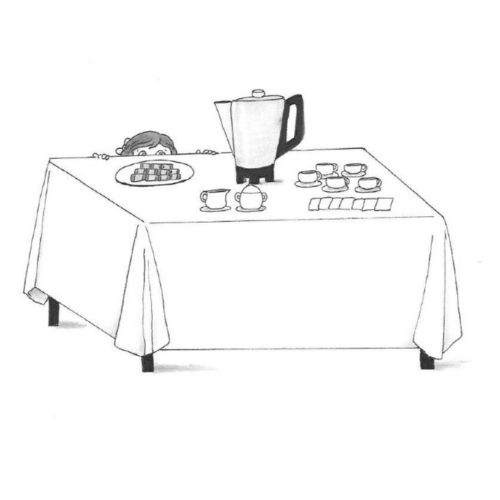
My mom and her friend had just put a coffee pot and cookies on the table. Hot chocolate was on its way. There were even tiny teacups. I tried to climb onto the wooden bench that ran alongside of the table. But it was too high. I put my hands on the table to boost myself up. That's when the accident happened. I saw small candy bars scattered across the white tablecloth. What fun! I reached for a piece of candy . . . and tipped over the coffee pot.

The boiling hot coffee spilled onto my jacket and all over me. The heat was so intense that it made all three layers of clothes stick to me. Then it burned through several layers of skin on my chest and belly.

It happened so fast. I don't remember screaming or anyone calling 911. But I'm sure I cried loud enough for the entire block to hear, and someone did call an ambulance.

---

Chapter 2

At the Hospital

Chapter 2 — At the Hospital
🎧 Listen — Chapter 2 — At the HospitalNarrated by Jess Morris

I have no recollection of the ride to the hospital emergency room, but I do recall that I had to stay in the hospital for many weeks. The doctors told my parents the burns covered nearly half of my small body. Every day, twice a day, I was so afraid. A nurse would come into my room and put special creams on my skin. Then she covered my burns with fresh bandages. Nobody told me then, but the pain, burning feeling, and itch that the medicine caused were an expected part of the treatment.

My mom and dad stayed with me as much as they could and were always there when I had to have needle pokes and skin treatments to help my burns heal. I had radiation treatments, too, which at the time were used to reduce burn scars. Unfortunately, other therapies that are used today, like physical and occupational therapy, were not available for burn patients.

It was all so scary! I know it was very scary for my parents too. Their baby girl wasn't at home with them—again.

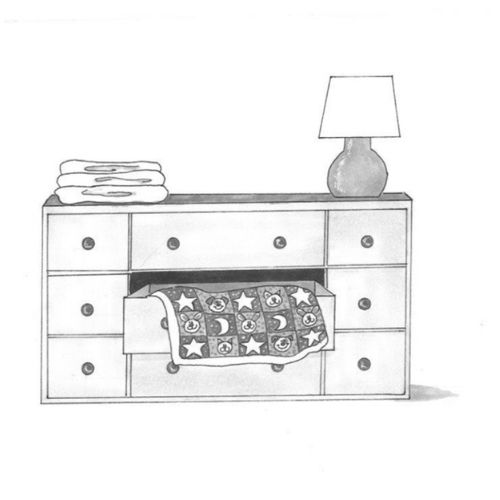
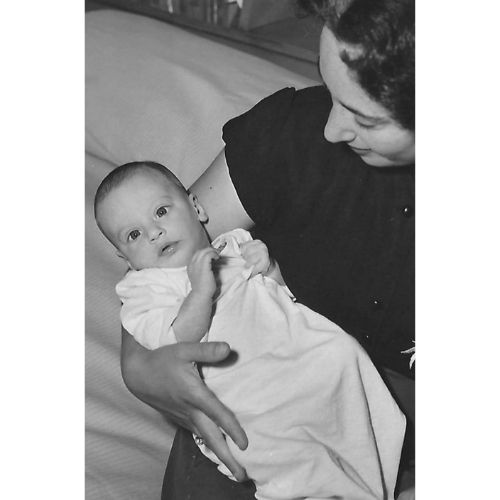
You see, when I was born, I was so small that the hospital kept me there for seven weeks. When I finally came home, I slept in a dresser drawer for nearly two months before I ever saw my crib.

After my accident, I shared a hospital room with two other kids. The bed I slept in was way too big for me. People came in and out all day and all night. I was happy they kept a night light on for me so I wasn't afraid to close my eyes.

Later, I realized that it was my parents who felt completely in the dark. I was seriously hurt, and nobody could tell them how long it would be before I was better and could come home. All they could do was be there with me and love me enough to get us all through this very tough time.

---

Chapter 3

On the Mend

🎧 Listen — Chapter 3 — On the MendNarrated by Jess Morris

As my body healed, my burns constantly itched. I couldn't help rubbing them, usually with my favorite stuffed tiger. Poor Tigger! He was in and out of the washer and dryer as often as I would let go of him. Most times, my mom had to sneak him away from me while I was sleeping.

The doctors didn't want me to scratch my burns. And I did my best not to, but it was so hard. While it was difficult to go through, it was actually a positive sign that my skin was healing itself.

My burns did fully heal over time, but they left permanent scars on my body and in my thoughts. For the next few years, I was afraid of strangers. In fact, I was afraid of everything! I didn't know who or what might make things hurt, even when people meant to help me.

I remember the day my doctor came over to our house to check on me. Doctors still made house calls then. I had seen Dr. Pesnel so many times, and he was always gentle and kind. But I was still so afraid that he might do something that would hurt. When the doorbell rang, I hid behind the curtains in the living room, thinking he and my mom wouldn't find me. Our clever dog, Brandy, pulled back the curtains and gave me away.

After the accident, I didn't make friends easily. I didn't like being far from home or away from the safe comfort of my parents.

At age 10, I was invited to my first ever sleepover birthday party. I had very mixed feelings. I was thrilled to be included with my classmates. At the same time, it meant I had to be ready to get into my pajamas in front of other girls, exposing my unsightly scars. I struggled for two days with how I would answer that invitation. I even wrote, "Thank you, but I can't come to your party." Then I erased it. You probably know how it feels when you really, really want to do something even though it might be hard!

After some encouragement from my mom, I did it. I sent off my "yes."

When the big day arrived, I packed my favorite pajamas, the pink ones with ice cream sundaes all over them, and I was off. The sleepover was just down the street.

We had pizza and played some fun games. We sang "Happy Birthday" before the birthday girl blew out her candles, and we ate cake and ice cream that almost matched my PJs. Then, it was time to get ready for bed and have some silly girl time upstairs before lights out. As girls chatted and got undressed, I slipped into the bathroom to change and came out all ready for the night. All the girls noticed. I apparently was different.

In the morning, before anyone was out of their blankets and sleeping bags and heading to the kitchen for pancakes, I snuck off to the bathroom again, acting as if I were anxious to brush my teeth. I came out all dressed, looking ready to go outside to play. None of the girls questioned me about my behavior. But they noticed. I was different.

No more invitations to slumber parties arrived in my mailbox. While I felt excluded and a bit sad, part of me was relieved. I was happy not to put myself in that uncomfortable position again. Fortunately, some of the girls and I stayed friends. Although I never had another large group sleepover, we hung out together, played card games like canasta, and went ice skating in the winter. My secret was safe—I never told them about my accident, nor the permanent scars that I was embarrassed for them to see.

---

Learn It
LEARN It! Challenge

When have you wanted to do something that felt scary — and did it anyway, like Gayle's sleepover?

Chapter 4

Growing Up Different

🎧 Listen — Chapter 4 — Growing Up DifferentNarrated by Jess Morris

As I got older, I continued to feel shy, self-conscious, and still "different."

My physical scars aren't supposed to be in direct sunlight. As a teenager, I wasn't able to wear bikinis like the other girls my age. I still didn't want anyone to see my scars. I had no choice but to search for uncool, one-piece bathing suits—not easy in the late 1960's. I felt as uncool as my swimsuits.

Clothes shopping in general was a challenge. I only shopped for bathing suits with my mom. If I went shopping with a friend, I never tried anything on if it meant taking off my shirt. I was not comfortable in my own skin. The other challenge was finding clothes that were comfortable. I had to avoid fashionable shirts and blouses made of cotton, especially those that needed ironing, because the fabric was stiff or rough and irritated the thick scars covering my abdomen and chest—never seen by even my closest friends. I still had not told anyone about the accident.

I was self-conscious, even at home. There were days I looked at myself in the mirror and cried. My body was so disfigured. I actually covered the mirrors in my bedroom with a sheet.

During the school year, I dreaded Tuesdays and Thursdays. On those days, I woke up with a familiar pit in my stomach. I couldn't eat breakfast because I wasn't sure I could keep it down. Third period was gym class. I liked gym, even though I was never very coordinated. On Tuesdays and Thursdays, however, we had swim classes. It may sound great to have an indoor pool in your middle school. Not this pool. The heavy smell of chlorine filled the air, and the pool area, including the locker room and especially the water, were freezing. Honestly, it was awful!

During gym class, I always pretended to have to go to the bathroom and took my gym clothes into the stall to change so no one would see me in my underwear. For swimming, that wasn't allowed. We had to get undressed in the changing area by the pool. That wasn't the worst of it. We had to wear the school's one-piece bathing suits. And, we were given the tiniest towels. Can you imagine? They barely covered any one part of you, let alone all of you. I became very skilled at moving that tiny towel around to keep my scars from being exposed for everyone to see.

The swimsuits were a different story. Your body size determined the color of the suit you were given. Smaller girls like me wore grey and the largest girls, like my friend Maria, were given red swimsuits, with several other colors in between. None were flattering. All had tears and holes. On my shorter-than-average body, the crotch hung down three inches. Each armhole was big enough for two of my arms. Maria, also self-conscious because she was the first of us to have breasts bigger than our moms had, stayed close to me. Together, the two of us dawdled so our classmates were already out at the pool by the time we undressed.

Yes, it was only girls in the pool when we went in for swimming, but to add to the trauma of my own discomfort, there were ground-level windows all along the school, just low enough for tip-toed peeking. Gawkers were always trying to catch a glimpse of any of us, at any stage of undress.

To this day, I'm still uncomfortable changing into a swimsuit in front of others.

---

Learn It
LEARN It! Challenge

What is one thing that makes you feel 'different'? How could it actually be a strength?

Chapter 5

Fearful

🎧 Listen — Chapter 5 — FearfulNarrated by Jess Morris

While I was never afraid of that enormous horse, Tiny, I developed a lot of fears after the accident. One was a fear of sparklers, which made July 4th a difficult day for me, no matter what birthday had just passed.

The Fourth of July holiday brought with it my most loved foods, from burgers and hot dogs, to pasta and potato salad, and of course Kool-Aid. I really enjoyed watching large fireworks displays. I was fine as long as I didn't have to handle a sparkler, or be close to anyone who had one, especially if they were waving it around. Usually I could just keep my distance and nobody noticed. But sometimes, when you least expect it, you are in a situation that you would have wanted to avoid.

As an adult, I was enjoying myself at a beautiful, outdoor wedding of a girl I knew since she was born. She was our neighbor's daughter. Everything was perfect—a dream-like happy day celebrated by family and friends. As the bride and groom were about to leave, preparations were made for a special send off. Each guest was handed a lit sparkler.

Before I had a chance to think or control my actions, my body reacted in an instant. My hand let go of the sparkler and in slow motion, I stepped back. As if I were in a scary dream, I waited for the fire and burns that my mind expected. Fortunately, they never happened. To this day, I remain petrified of sparklers. I also will not light a match. Whether to start a fire in an indoor fireplace, an outdoor open fire pit, or a gas stove that doesn't have an automatic igniter, I just can't strike that tiny fire stick.

As a young teen, I remember being at my girlfriend Susan's home when the plan was hatched to cook our own dinner. It began as fun. We went to the store with money her mom had left for us to order a pizza. We enjoyed going up and down the aisles, deciding on what to cook. As we wheeled our way down the pasta aisle, we agreed on our menu. We would make a favorite: Betty Crocker's Spaghettini in a box. Included was thin pasta and a can of the "the best sauce" (or so we thought at the time).

It turned out that Susan's family kitchen had a gas stove, with a pilot light that had to be lit with a match. Of course, I had never noticed this before. Why would I? As we prepared to boil the water for the pasta, she asked me to grab the matches in a nearby drawer and light the burner.

I stopped mid-step. I couldn't show my fear. I grabbed the matches, then lifted the top of the matchbox and removed a match. As much as I tried, I couldn't make my hand move to strike it and create a flame. I tried several times.

My girlfriend finally got frustrated with me, grabbed the matchbook out of my hands, and struck the match herself. I had tears running down my face. She thought I was weird. We never discussed the episode and never cooked dinner again at her house. Susan turned out to be a long-time friend and I have many fun memories of making meals in my family's kitchen on our electric stove. In fact, we were inseparable for years. We rode our bikes everywhere, enjoyed walking each other's dogs, and started babysitting neighbor kids together. Still, I never told her about my accident or scars.

I had other friends too. The twins lived down the block and Chrissy was across the street. And there were the girls in my Girl Scout troop. My mom was our leader. We enjoyed working on our badges, including baking, sewing and community service.

The Girl Scout "law" was our code: "To do my best to be honest and fair, friendly and helpful, considerate and caring, courageous and strong, responsible for what I say and do, and to respect myself and others…" We all tried hard to live by it.

But because I struggled to trust any of my friends with my secret, I took away all opportunity for them to show me the kindness and support they would have wanted to share.

---

Learn It
LEARN It! Challenge

Name one fear you have. Who is one person you could talk to about it?

Chapter 6

Phobias

🎧 Listen — Chapter 6 — PhobiasNarrated by Jess Morris

My childhood fears grew into terrible terrors. People who helped me deal with them call them phobias. A phobia is an irrational fear. My fear of matches and sparklers made sense because they are connected to my accident. I was afraid of getting burned again.

The irrational fears that developed, like my fear of snakes, heights and animals large and small, including spiders, seemed to have nothing to do with the accident. I had never been bitten by a snake or fallen from a tall building or bridge. Yet, these things terrified me.

Imagine never going hiking or camping or just hanging outside with your friends because you were so afraid of snakes? If I saw one, no matter how small, whether in a picture book, in a newspaper, or in the woods ten feet away, my body went into a type of shock. I became hysterical. I couldn't move. And I couldn't control it. I remember once, while walking down the driveway, I spotted a garter snake coming out of the grass and onto the pavement. I hopped onto the hood of our car and wouldn't come down, not even more than an hour after the snake disappeared. My dad finally carried me into the house.

In fifth grade, earth science class, our teacher had an array of animals and things in jars of formaldehyde for us to study. One afternoon, as he spoke to us, he took several jars down from inside the glass shelves and passed them around for us to examine. The boy sitting in front of me turned around and started to taunt me with a jar that contained a small, black and white snake. As he shook it at me, the top fell off, the snake slithered onto my desk, and fell to the floor. I got hysterical and ran to the bathroom.

At 16, I was excited to be a counselor at a day camp. The first week, on a warm, sunny day, I walked into a boat shed with another counselor to pull down canoes to paddle on the lake. We managed to disturb a snake's nest. Before we knew it, momma snake and her babies were slithering around us. We both ran screaming from the shed. I left camp and never returned.

Many years later, my husband and I were planning to move to Tucson, Arizona. I KNEW I had to do something about my fear of snakes since they would certainly be living nearby. We love hiking and my research told me I might run across them. I didn't know then that they would appear in our desert backyard, often, and sometimes even in our swimming pool.

I found a student at a nearby university who was working toward his doctorate degree to become a specialist in treating phobias. I began a weekly course with him, just he and I. The course was supposed to last four weeks. I finally graduated after four months of intense phobia focused sessions.

In the beginning, as silly as it may seem, I started by opening and closing picture books of reptiles, including snakes, and eventually touching the pictures. The first time I turned the page and saw a snake looking up at me, I had no control of my hands. I just threw the book across the room, as if someone had put a real snake right in my face.

After several weeks, I finally could handle a rubber snake without being afraid of it. I started comparing it to the rubber tires on my car. I would touch the tire, then the rubber snake. Repetition, I learned, was how I could conquer my fears.

I finally graduated my course when I could touch Max, a beautiful, orange-colored REAL corn snake. In the end, I took him out of his box, let him wrap himself around my arm, then gently returned him to his terrarium. I would never have believed it!

I can't say I like snakes to this day. But I got help and it gave me confidence to face other challenges in my life. You see, as I grew older, I tired of being afraid of so many things. I began to stand up against my many fears, not just snakes. It's hard to find the courage to conquer a challenge, but I decided to do it, one by one, and it was life changing.

One of those challenges was a fear of heights. Even as an adult, I wouldn't cross a bridge. Never on foot. And in a car, only if I had to, then I closed my eyes as tightly as I could.

Once, I was with my husband, Al, on Pacific Highway One in California. It's a well-known road that twists and turns sharply along a cliff, with towering boulders on one side and the ocean pounding rocks far below on the other side. I was driving when an unexpected bridge appeared in front of me. We couldn't change drivers in time. I was terrified. But I had to help myself make it across. I took deep breaths like I had been taught to do in phobia class, and kept talking out loud, encouraging my foot to stay on the gas pedal and my hands tightly locked on the steering wheel.

We made it safely across the bridge. At the first opportunity, I pulled off to the side of the road, jumped out of the car, ran to the passenger side, and continued taking lots of deep breaths to calm down. When we got back in the car, Al drove, while I kept concentrating on my breathing. When I relaxed a bit, not only did I know I had pushed through a dangerous situation, I felt proud that I had found a way to meet the challenge head on. I didn't freeze. I coached myself through my fear and to the other side of the bridge.

---
Chapter 7

Confidence

🎧 Listen — Chapter 7 — ConfidenceNarrated by Jess Morris

With so many fears, I had to choose which ones to confront. Snakes were important because I moved to Arizona. Overcoming my fear of heights was important—you never know when a bridge or even an elevator may need to be tackled. But what was most important to me? I realized it was being unafraid of people. If I were to be successful in my career as an administrator in a healthcare organization, I needed to be comfortable speaking in front of people. I needed to portray confidence. I needed to FEEL confident.

Fortunately, the company I worked for named me "an up and coming leader," and I was one of 12 employees selected to attend a Dale Carnegie Course. This is a well-respected, national organization that teaches people to improve their public speaking. Its goal is to give women and men confidence to speak in small and large groups. I was both excited and nervous. I had never developed the self-confidence many of my colleagues possessed, most likely a result of growing up embarrassed and uncomfortable about my scars. As the course progressed, I gradually became more comfortable talking one-on-one with professionals I didn't know, even those who I saw as intimidating. I even learned to speak to large groups that had previously terrified me. If I could just show them who I really was inside, I knew they would see a different person than I saw in myself. They might even want to help me grow my career.

By the end of the course, I was able to show the smart girl I had always been and always hidden. I was no longer the one who never spoke about my own experiences or thought I had nothing to contribute to a conversation. (But I still never mentioned my accident.)

As I continued along my career path, I was fortunate that people I worked with were willing to mentor me and help me become confident and successful. They helped me feel better about myself. Every step led me to a new path, and even all the way to a new smile.

I decided I had one final obstacle to being confident. I wanted to look in the mirror and see past my terribly crooked teeth with spaces as large as the non-bristled end of my toothbrush. So in my late 40's, I did something just for me—I joined the teens with purple, pink and blue braces. I was used to going to the dentist office. I did that faithfully every six months. The orthodontist office was a whole different experience. Instead of being treated in an individual exam room, all patients, whatever their age, were seen in a common area.

You could hear each other's conversations. I remember feeling so out of place. It was awkward being an adult in a child's world. Each time my braces were adjusted, it was physically uncomfortable. But the young patients in the treatment chairs around me inspired me. These kids would feel more confident growing up with a smile they were proud to show, and I knew I finally would too.

That's not to say it was easy. It seemed everything I ate got caught in my braces, which made me even more self-conscious. I double and triple checked myself in the mirror after every meal and snack to be sure nothing was sticking out. Several times over the two years I had braces, my younger voice chimed in. Had I made a terrible mistake? Did I look silly to others whose respect I so desperately wanted? Would I actually feel different when the braces were removed? I had my "braces off party" at age 50 and celebrated with family and friends. I was proud of my new teeth and my new smile. It was another hard-earned boost to my self-confidence.

Today, whether someone is complimenting me on my smile or I'm looking at a photograph of myself, I feel happy. It isn't just about having better teeth. I now know that every smile is beautiful if the owner is proud to show it. Doing this for me—getting braces as an adult—left me comfortable and excited to smile and laugh. And we all know smiles are contagious!

---

Learn It
LEARN It! Challenge

Write down one 'SuperPower' you already have. How did you build it?

Chapter 8

Sharing

🎧 Listen — Chapter 8 — SharingNarrated by Jess Morris

These memories are from such a long time ago, but still as fresh as yesterday.

I am now happily married for 40 years, a mother and a grandmother. I am proud of my achievements and who I have become. I finally feel comfortable in my own skin and fit into a world that was difficult for me for so long.

My husband was accepting of my scars, both physical and emotional from the day I met him. He helped me overcome many of my phobias. We started our relationship as friends, and as our time together increased, my inhibitions and self-doubt and lack of confidence shrunk. He encouraged me to continue my college education.

So, as I worked full-time, I also attended college and received my Bachelor's Degree. Years later, he encouraged me to reach for my dream job in healthcare, though it required a Master's Degree. So I reached higher and earned my way to another goal. And he continued to encourage me to share my knowledge and express my opinions. He has always told me (and continues to reinforce) that I am not only smart, I am beautiful inside and out. And though it took me years to believe him, I do now believe him.

I have realized that I can help others by sharing my story about the accident. It took me a lifetime before I would talk openly about my memories and experiences of that time and all of the scars it left me with on the way to becoming who I am.

When I was growing up, life was very different. We lacked resources that are available today, such as mental health counselors, who encourage sharing of feelings after traumas. At the same time, treatments and technology have made huge leaps in the past six decades.

It was just one accident. One day in my life. But it shaped who I was—and wasn't—as I lived through my childhood and early adult years.

I believe that telling this story may help others understand how a single event can shape a person's life, just as it molded my lack of confidence, my lack of trust and so many fears. My hope is that my story will inspire others to find the courage to face and move past their biggest fears and challenges.

Scars and other results of accidents don't have to be scary to show others or to see in someone else. They are like a picture book. They tell a personal history. My scars tell about getting burned. They tell about struggles and change. And about how I used my powers of perseverance to achieve my goals.

---

Chapter 9

Super Powers

Chapter 9 — Super Powers
🎧 Listen — Chapter 9 — Super PowersNarrated by Jess Morris

What super powers do you have?

It might be a smile that makes others instantly feel happy and welcome. It might be your love of science, sports, music or art.

There is also special power in sharing what you know and feel. And power in understanding what you need to do to make yourself feel good and strong—and to achieve your goals.

I've learned that my super powers include helping others turn trouble into triumph, obstacles into outcomes. But it took me 50 years of pushing back against a quiet lack of confidence and a feeling that I was not quite like other people I knew.

I had secrets that shaped who I am. And it made me feel different.

We can each decide how to react to people who are "different." We can be the one to lead others to choose to accept those differences.

We each have the power to deal with our own challenges and strengths, to decide how they will mold us. We also have the power to help make others more comfortable by embracing who they are, inside and out.

---

Learn It
LEARN It! Challenge

What SuperPower do you want to grow next — and one small step to start?

Chapter 10

Making a Difference

🎧 Listen — Chapter 10 — Making a DifferenceNarrated by Jess Morris

Whether you or a friend has experienced an accident, or you are simply thinking about every day challenges, here are some things you can do:

Write a short list of your super powers—it can have one or ten items.

Look at yourself in the mirror and think about what makes you happy.

Treat others as you want to be treated. Consider how someone else might feel before judging them. Give others a chance to understand and support you by telling them how you feel. Share your worries and concerns. It helps you and helps others open up to you. Tell someone about your fears. Get help to overcome them.

When you are scared and hurting inside, it's helpful to talk to someone. That person can be a parent, a sister, a brother, or a close friend. Or it can be a neighbor, nurse, teacher or religious leader, or someone else you know and trust.

We all have times when we want to hide. There are times we may feel embarrassed or uncomfortable. Remember you are never alone. Someone else is going through something difficult too, at the very same time.

We have all been burned—physically and/or emotionally. Burn wounds hinder movement; so do emotional wounds. How are we going to heal these wounds?

We need to be strong—ask for help—reach for our goals. Look inside yourself to see the good others see in you. Smile and others will smile back.

Use your on-line journal here to capture some reflections from my story and what your superpowers are? How can you make a difference?

---

For Grown-Ups

Resources for Parents & Teachers

🎧 Listen — ResourcesNarrated by Jess Morris

Host a book club with chocolate candy, hot chocolate, and a rubber snake and encourage the kids to bring their favorite stuffed animal.

Talk about never judging others. You don't know what their life is like and what their "burn" experience has been. How do we learn to be more accepting of ourselves and others?

How do we move from accepting a problem or challenge or situation to understanding the need to do something about it? In the story, what does Gayle do to accept her challenges? What else could she have done that might have helped her when she was growing up?

Compare the author's story to others who have experienced obstacles while growing up.

---

Thank You

Dedications & Acknowledgements

🎧 Listen — CreditsNarrated by Jess Morris

**DEDICATION** This book is dedicated to my parents, Claire and Nate Fein, who always believed in me, told me I was beautiful inside and out, and who taught me to treat others as I wanted to be treated, and to my sister, Ruth Fein Revell, for her leadership, guidance, friendship and love.

Thank you to many of my teachers, mentors, collaborators, and colleagues who challenged me to do better, to reach for things I thought were impossible, and helped me discover who I am. I learned something valuable from every one of you, too numerous to mention.

And last, but most certainly not least, to my husband, Al, my best friend, and most avid supporter for over 40 years, With all my love!

**ACKNOWLEDGEMENTS** I want to thank Kathy Bell, without whom this book would not have been published. She encouraged me to tell my 'compelling' story and share with others, so those reading will know that they, too, can overcome any adversity, and to identify your friends and share generously.

Thank you Janice Ulrich for sharing your personal story and underwriting this book so it will see the light of day and encourage others, of all ages, particularly children, that they, too, can overcome struggles that leave them with physical and emotional scars.

Thank you Mary Beth Benton for sharing your creative illustrations, which helped bring these words to life.

Lynn Wiese Sneyd, thank you for your amazing editorial skills, your patience and dedication to seeing this project through to its fruition.

And I wish to acknowledge my sister, Ruth, for helping ghost write and edit The Accident. It's my story, Ruth Fein Revell's words and Lynn's editing.

I am very appreciative of those who have read The Accident and gave me valuable feedback, including my daughter, Lisa and her daughter, Julianna Mirabile, as well as a number of teachers like Betsy Reutemann, teenagers Lily and Meghan, as well as two other authors, Marge Pellegrino and Jennifer J. Stewart and friends.

Bring Gayle's story home

Keep the full picture-book memoir — a beautiful gift for a child, a classroom, or a new family. Every copy supports the mission.

Get The Accident on Amazon
Nice! +1 Learn It coin