
 Learn It
 Live It
 Share It
Form &
Function
Qwest
Welcome to your body.
Doctors have always learned the body two ways: its form — what each part looks like and where it sits — and its function — what each part does. Learn both and the body stops being a mystery. This book walks you through all of it, from a single cell to the whole human.
Dr. Rob says · “Notice how the skeleton dictates the shape of the body. This course will help you understand the form and function of your body. We start with the smallest structures and work our way up each system to learn how they function together. This is your only body. Understand how it works.”
Every chapter has four pages
- Meet the system — Dr. Rob’s introduction, an everyday analogy and his video.
- Form & Function — each body part, what it looks like and what it does.
- When things go wrong — common conditions, how they’re found and treated, and how to protect yourself.
- Live It · Share It — a body pathway, four check-yourself questions, an activity and a share challenge.
🪙 You earn LEARN It coins as you turn the pages and a chapter badge for every system. Finish all 13 Qwest stations to become a Force for Health Human Educator.
This book is for learning, not for diagnosing. If you are worried about your health, talk with a health care provider. In an emergency, call 911.
From one cell to the whole human
Tap any chapter to jump to it. Dr. Rob’s order works from the smallest part of you to the biggest picture — and ends with how to keep it all healthy.
Cells, Tissues, Organs & Systems
It all starts with one cell.
the lesson
Dr. Rob says · “Cells are the building blocks of the entire body. They are where the work is done, and they work together to keep a body alive like players on a large team. It all starts with one cell meeting and joining another to become you.”
More videos: Tissues explained by Dr. Rob · Intro to Organs and Systems: Form & Function
Cells to Systems: Form & Function
Form is what a part looks like and where it is. Function is the job it does. Read across each row.
| Body part | Form · what it looks like | Function · what it does |
|---|---|---|
| Cell | A tiny living factory, too small to see without a microscope | Uses oxygen and food to make energy and does the body’s work; carbon dioxide is the waste |
| Nucleus | The control center inside most cells | Holds the DNA — the instructions for building and running the cell |
| Tissue | A cluster of similar cells working side by side | Does one kind of job, like an assembly line where every worker does a similar task |
| Organ | Layers of different tissues built into one structure | Handles bigger, coordinated jobs — the heart pumps, the stomach digests |
| Organ system | A team of organs | Carries out an essential body function, like breathing or digestion |
| Homeostasis | Every system working together | Keeps the inside of the body stable so life can continue |
- Your body is made of trillions of cells, and they need oxygen and food.
- Your cells make carbon dioxide as a waste product — your lungs breathe it out.
- No system is more important than another: all of them are vital to life.
When Things Go Wrong
Dr. Rob’s guide to common cells to systems conditions — what they are, the signs, how a provider finds them and how they’re cared for.
When cells grow out of control
What it is: Cancer starts when cells keep dividing and multiplying without stopping, often after their DNA is damaged.
Signs: Depends on where it starts — a new lump, a spot that changes, or a change in how the body works.
How it’s found: Exams, scans and a biopsy (a small sample looked at under a microscope).
Care: Surgery, medicines and radiation. Finding it early makes a big difference.
When cells don’t get oxygen
What it is: Without oxygen, cells begin to die within minutes — that is why breathing and blood flow are emergencies.
Signs: Confusion, blue lips, collapse.
How it’s found: Seen right away — call 911.
Care: Restore breathing and blood flow fast (CPR, rescue breathing).
Healthy cells, healthy you
What it is: Cells need oxygen, food, water and rest to do their jobs.
Signs: Low energy, poor healing and frequent illness can be signs your cells are not getting what they need.
How it’s found: A check-up with your health care provider.
Care: Eat well, move every day, sleep, and don’t smoke.
- Move every day — kids and teens 60 minutes, adults at least 150 minutes a week.
- Limit recreational screen time to under 2 hours a day.
- Eat real food — your cells are built from it.
- Don’t smoke: it starves cells of oxygen.
Put It to Work
🔀 Pathway · How the body is organized
✅ Check yourself
 LIVE ItTake a brisk walk or climb a flight of stairs. Count how many body systems you can feel working — breathing, heartbeat, muscles, sweat, balance, your senses.
 SHARE ItExplain the car analogy to someone at home: cells → tissues → organs → systems → the whole car (you!).
My notes:
Integumentary System (Skin)
Your largest organ — and your first line of defense.
the lesson
Dr. Rob says · “The world is full of threats to our health — germs, chemicals, radiation, hard surfaces and extreme temperatures. The integumentary system is all about protecting our delicate insides from the harsh world we face every day. And yes — the skin is an organ. In fact, it is the largest organ of the entire body.”
Keep exploring Form & Function
The rest of this eBook — all 13 chapters, both worksheets and the answer key.
Get the eBook · $49Join AmbassadorPLUS · $75/year · eBook includedAlready an AmbassadorPLUS member? This eBook is included.Sign in to unlockSkin: Form & Function
Form is what a part looks like and where it is. Function is the job it does. Read across each row.
| Body part | Form · what it looks like | Function · what it does |
|---|---|---|
| Stratum corneum | The top of the epidermis: a coat of flat, dead skin cells | A tough top layer that helps keep germs out and water in |
| Epidermis | The thin outer layer of skin | Constantly makes new skin cells and forms a barrier against the outside world |
| Dermis | The thick middle layer with blood vessels, nerves, hair roots and glands | Builds new skin, feels touch, heat and pain, and makes sweat and oil |
| Hypodermis | The deepest layer of fat and connective tissue | Attaches skin to the body, stores energy and keeps you warm |
| Melanocytes | Pigment-making cells in the epidermis | Make melanin, which colors skin, hair and eyes and protects against the sun |
| Sweat glands | Coiled tubes in the dermis | Release sweat that evaporates to cool you down |
| Hair and nails | Hard protein structures that grow from the skin | Hair keeps you warm (goosebumps!); nails protect fingertips and toes |
- The skin is the largest organ in the body.
- You shed and replace the outer layer of your skin all the time.
- Beneath the melanin, we are all the same.
Keep exploring Form & Function
The rest of this eBook — all 13 chapters, both worksheets and the answer key.
Get the eBook · $49Join AmbassadorPLUS · $75/year · eBook includedAlready an AmbassadorPLUS member? This eBook is included.Sign in to unlockWhen Things Go Wrong
Dr. Rob’s guide to common skin conditions — what they are, the signs, how a provider finds them and how they’re cared for.
Scrapes, cuts and bruises
What it is: Abrasions, lacerations and bruises (hematomas) happen when something sharper or harder than skin damages it.
Signs: Pain, an opening in the skin, color change.
How it’s found: Usually self-diagnosed.
Care: Keep wounds clean. Deep cuts may need glue or stitches; let bruises heal with time.
Dermatitis, acne and hives
What it is: Inflammation of the skin. Psoriasis is caused by an overactive immune system; hives are an allergic reaction.
Signs: Rash, red bumps, whiteheads and blackheads, itching.
How it’s found: A look at the skin, scalp and nails, plus family history.
Care: Wash hands and face, clean your phone and keyboard, drink water, sleep — and see a provider for stubborn rashes.
Burns
What it is: Sun, heat, chemicals or electricity can break the skin. 1st degree = epidermis; 2nd = epidermis + dermis; 3rd = down to the hypodermis.
Signs: Redness and pain; blisters; or leathery, numb skin in a 3rd-degree burn.
How it’s found: By how deep it goes.
Care: Cool the burn under running water. Small 1st-degree burns can be treated at home. Call 911 for large burns, burns to the face, hands or genitals, electrical or chemical burns, or any trouble breathing.
Skin cancer
What it is: The most common cancer in Americans, often caused by UV damage to DNA. Melanoma is the most serious type.
Signs: A spot or lump that is new, uneven, growing, darkening, bleeding or scaly.
How it’s found: Compare the spot with nearby skin, photograph it next to a ruler, and see a dermatologist for a biopsy.
Care: Removal and other treatment. Early checks save lives.
- Wash your hands — germs enter through tiny breaks in the skin.
- Use shade, clothing and sunscreen.
- Be careful with sharp, hot and cold things.
- Keep skin clean and dry; don’t smoke (it causes wrinkles).
Keep exploring Form & Function
The rest of this eBook — all 13 chapters, both worksheets and the answer key.
Get the eBook · $49Join AmbassadorPLUS · $75/year · eBook includedAlready an AmbassadorPLUS member? This eBook is included.Sign in to unlockPut It to Work
🔀 Pathway · Skin layers, outside to inside
✅ Check yourself
LIVE ItHand-washing challenge: wash for 20 seconds (two rounds of “Happy Birthday”) every time you come in from outside today.SHARE ItTeach someone how to check a mole: Is it uneven? Is the border ragged? Is the color mixed? Is it bigger than a pencil eraser? Is it changing?My notes:
Keep exploring Form & Function
The rest of this eBook — all 13 chapters, both worksheets and the answer key.
Get the eBook · $49Join AmbassadorPLUS · $75/year · eBook includedAlready an AmbassadorPLUS member? This eBook is included.Sign in to unlockCirculatory System
The ultimate Force for Health is your heart.
the lesson
Dr. Rob says · “Imagine your body as a small community where every home needs food and supplies. The heart is the supplier, and the blood vessels are the trucks that deliver to every organ. Let’s see how the pump and the pipes keep the whole community alive.”
Keep exploring Form & Function
The rest of this eBook — all 13 chapters, both worksheets and the answer key.
Get the eBook · $49Join AmbassadorPLUS · $75/year · eBook includedAlready an AmbassadorPLUS member? This eBook is included.Sign in to unlockHeart & Blood Vessels: Form & Function
Form is what a part looks like and where it is. Function is the job it does. Read across each row.
| Body part | Form · what it looks like | Function · what it does |
|---|---|---|
| Heart | A fist-sized muscle with four chambers | Pumps blood to the lungs and the rest of the body |
| Atria (2) | The two upper chambers | Receive blood coming back to the heart |
| Ventricles (2) | The two lower, stronger chambers | Pump blood out — the right to the lungs, the left to the body |
| Aorta | The largest artery, leaving the left ventricle | Carries oxygen-rich blood out to the body |
| Vena cava | The largest vein, entering the right atrium | Brings oxygen-poor blood back from the body |
| Arteries | Thick, muscular tubes | Carry blood away from the heart |
| Veins | Thinner tubes with valves | Carry blood back to the heart |
| Capillaries | The smallest, thinnest vessels | Trade oxygen and food for carbon dioxide and waste at every cell |
- Your body has two circulations: pulmonary (heart → lungs → heart) and systemic (heart → body → heart).
- Your calf muscles are a “second heart” — every step squeezes blood in the leg veins back up toward the heart.
- Exercise makes the heart muscle stronger, so it pumps more with every beat.
Keep exploring Form & Function
The rest of this eBook — all 13 chapters, both worksheets and the answer key.
Get the eBook · $49Join AmbassadorPLUS · $75/year · eBook includedAlready an AmbassadorPLUS member? This eBook is included.Sign in to unlockWhen Things Go Wrong
Dr. Rob’s guide to common heart & blood vessels conditions — what they are, the signs, how a provider finds them and how they’re cared for.
Heart attack
What it is: Blood flow in a heart artery is blocked, usually by a fatty, cholesterol plaque, and heart muscle starts to die.
Signs: Chest pain or pressure, shortness of breath, sweating, nausea, light-headedness.
How it’s found: ECG, blood tests, catheterization.
Care: Call 911. Medicines, stents or bypass surgery restore blood flow.
Coronary artery disease
What it is: The arteries that feed the heart are narrowed and damaged.
Signs: Chest pain with effort, shortness of breath — or a heart attack.
How it’s found: ECG, stress test, CT or catheterization.
Care: Healthy eating, exercise, no smoking, medicines and procedures.
Heart failure
What it is: The heart muscle doesn’t pump as well as it should, often after years of high blood pressure. Failing hearts get larger.
Signs: Tiredness, swelling, shortness of breath with effort or lying down.
How it’s found: Echocardiogram, ECG, blood tests.
Care: Medicines, less salt, activity as advised, devices.
Cardiac arrest
What it is: The heart’s electrical system suddenly fails (often ventricular fibrillation) and blood stops flowing.
Signs: Sudden collapse, no pulse, no breathing.
How it’s found: It is an emergency — act first.
Care: Call 911, start CPR and use an AED (defibrillator) right away.
- Exercise often — your heart is a muscle.
- Don’t smoke: it thickens blood and narrows arteries.
- Eat vegetables, fruit and lean protein; go easy on fast food and added sugar.
- Manage stress — meditate, stretch, listen to music, get outside.
Keep exploring Form & Function
The rest of this eBook — all 13 chapters, both worksheets and the answer key.
Get the eBook · $49Join AmbassadorPLUS · $75/year · eBook includedAlready an AmbassadorPLUS member? This eBook is included.Sign in to unlockPut It to Work
🔀 Pathway · Blood flow through the heart
✅ Check yourself
LIVE ItFind your pulse at your wrist. Count beats for 15 seconds and multiply by 4. Do 20 jumping jacks and count again. What changed — and why?SHARE ItTeach someone the signs of a heart attack and that cardiac arrest means: call 911, push hard and fast on the chest, and get the AED.My notes:
Keep exploring Form & Function
The rest of this eBook — all 13 chapters, both worksheets and the answer key.
Get the eBook · $49Join AmbassadorPLUS · $75/year · eBook includedAlready an AmbassadorPLUS member? This eBook is included.Sign in to unlockRespiratory System
Take a deep breath… enjoy it.
the lesson
Dr. Rob says · “Without oxygen, we die. When someone drowns, cells begin to die after only three to five minutes without oxygen. The respiratory system’s job is to pull air into the lungs, move oxygen into the blood, and push carbon dioxide out. Take a deep breath, enjoy it, and learn how that happens — and how diseases can take it away.”
Keep exploring Form & Function
The rest of this eBook — all 13 chapters, both worksheets and the answer key.
Get the eBook · $49Join AmbassadorPLUS · $75/year · eBook includedAlready an AmbassadorPLUS member? This eBook is included.Sign in to unlockLungs & Airways: Form & Function
Form is what a part looks like and where it is. Function is the job it does. Read across each row.
| Body part | Form · what it looks like | Function · what it does |
|---|---|---|
| Nose and mouth | The openings where air enters | Warm, moisten and filter the air |
| Pharynx | The back of the throat | Shared passage for air and food |
| Larynx (voice box) | Holds the vocal cords | Vibrates air so you can speak |
| Trachea (windpipe) | A tube held open by rings of cartilage | Carries air down to the lungs |
| Bronchi | Branching tubes inside the lungs | Spread air through each lung; make mucus to trap dust |
| Alveoli | Millions of tiny air sacs wrapped in capillaries | Where oxygen enters the blood and carbon dioxide leaves |
| Diaphragm | A dome-shaped muscle under the lungs | Pulls down to suck air in, relaxes to push air out |
| Intercostal muscles | Muscles between the ribs | Lift and lower the ribs to help breathing |
- Cells start to die after 3 to 5 minutes without oxygen.
- Air is warmed and humidified before it reaches the lungs.
- Not smoking is the best way to reduce the risk of most lung diseases.
Keep exploring Form & Function
The rest of this eBook — all 13 chapters, both worksheets and the answer key.
Get the eBook · $49Join AmbassadorPLUS · $75/year · eBook includedAlready an AmbassadorPLUS member? This eBook is included.Sign in to unlockWhen Things Go Wrong
Dr. Rob’s guide to common lungs & airways conditions — what they are, the signs, how a provider finds them and how they’re cared for.
Asthma
What it is: Airways overreact — they tighten, swell and make extra mucus — so breathing suddenly gets harder.
Signs: Cough, wheezing, shortness of breath, often set off by triggers like allergies, smoke, dust or cold air.
How it’s found: History, wheezing on exam and a spirometry (breathing) test.
Care: Avoid triggers; daily controller medicine and a “rescue” inhaler for attacks.
COPD and emphysema
What it is: Long-term damage to the airways and air sacs, almost always from smoking or polluted air. Air gets trapped.
Signs: Cough with mucus, shortness of breath that slowly worsens.
How it’s found: History, chest X-ray and spirometry.
Care: Stop smoking, inhalers, oxygen in severe cases.
Bronchitis and pneumonia
What it is: Bronchitis is infection of the airways; pneumonia is infection in the lung tissue, where air sacs fill with pus.
Signs: Fever, chills, cough, shortness of breath, chest pain when breathing.
How it’s found: Stethoscope exam, chest X-ray, sometimes a sputum culture.
Care: Antibiotics for bacteria, oxygen if needed, deep breathing and coughing exercises.
Lung cancer
What it is: Cancer cells grow in the lungs and can spread. Most common in people who smoked, lived with radon, or worked with asbestos.
Signs: Often none at first; later cough, coughing up blood, weight loss.
How it’s found: X-ray or CT scan, bronchoscopy and biopsy.
Care: Surgery, radiation and medicines, depending on the type.
- Don’t smoke, don’t vape, and avoid secondhand smoke.
- Wear a mask in dusty or dirty work areas.
- Avoid your asthma triggers.
- Cover your cough and wash your hands.
Keep exploring Form & Function
The rest of this eBook — all 13 chapters, both worksheets and the answer key.
Get the eBook · $49Join AmbassadorPLUS · $75/year · eBook includedAlready an AmbassadorPLUS member? This eBook is included.Sign in to unlockPut It to Work
🔀 Pathway · The path of a breath
✅ Check yourself
LIVE ItBelly-breathing break: put a hand on your belly, breathe in for 4 counts so your hand rises (that’s your diaphragm pulling down), hold 2, breathe out for 6. Repeat five times.SHARE ItAsk someone you love to make (or keep) a promise: no smoking and no vaping in the home or car.My notes:
Keep exploring Form & Function
The rest of this eBook — all 13 chapters, both worksheets and the answer key.
Get the eBook · $49Join AmbassadorPLUS · $75/year · eBook includedAlready an AmbassadorPLUS member? This eBook is included.Sign in to unlockNervous System
Everything that makes you, you.
the lesson
Dr. Rob says · “The brain is the site of higher-level processes. It watches over everything happening inside the body, takes in the outside world through taste, touch, smell, hearing and sight, and coordinates a response. Memory, intelligence, emotions, thoughts — pretty much everything that makes you unique happens in the brain.”
Keep exploring Form & Function
The rest of this eBook — all 13 chapters, both worksheets and the answer key.
Get the eBook · $49Join AmbassadorPLUS · $75/year · eBook includedAlready an AmbassadorPLUS member? This eBook is included.Sign in to unlockBrain, Spine & Nerves: Form & Function
Form is what a part looks like and where it is. Function is the job it does. Read across each row.
| Body part | Form · what it looks like | Function · what it does |
|---|---|---|
| Brain | Soft organ protected by the skull | Thinks, remembers, feels and controls the body |
| Spinal cord | A thick bundle of nerves inside the spine | Relays messages between the brain and the body |
| Spine (vertebrae) | A column of bones from skull to tailbone | Supports the body and protects the spinal cord |
| Nerves | Cables of nerve cells (neurons) | Carry electrical signals to and from the brain and spinal cord |
| Cranial nerves (12 pairs) | Nerves that come straight from the brain | Control senses and functions of the head and neck |
| Central nervous system | The brain and spinal cord | Processes information and decides how to respond |
| Peripheral nervous system | All the nerves outside the brain and spinal cord | Connects the body and senses to the central nervous system |
- The brain has twelve pairs of cranial nerves.
- Nerves send messages using electrical signals called action potentials.
- The spine ends at the tailbone (coccyx).
Keep exploring Form & Function
The rest of this eBook — all 13 chapters, both worksheets and the answer key.
Get the eBook · $49Join AmbassadorPLUS · $75/year · eBook includedAlready an AmbassadorPLUS member? This eBook is included.Sign in to unlockWhen Things Go Wrong
Dr. Rob’s guide to common brain, spine & nerves conditions — what they are, the signs, how a provider finds them and how they’re cared for.
Stroke
What it is: Part of the brain loses blood flow — from a clot (ischemic) or a burst vessel (hemorrhagic) — and brain cells quickly die.
Signs: BE FAST: Balance loss, Eyes (vision change), Face drooping, Arm weakness, Speech trouble — Time to call 911.
How it’s found: CT scan, exam and blood tests.
Care: Clot-busting medicine as fast as possible; surgery for bleeding.
Concussion
What it is: A brain injury from a blow to the head or violent shaking.
Signs: Headache, sensitivity to light and sound, nausea, confusion, memory loss.
How it’s found: Exam and symptom check; scans if severe.
Care: Rest your body and brain; return to sports only when cleared.
Alzheimer’s disease
What it is: A disease in which brain cells slowly break down, linked to genes, environment and aging.
Signs: Growing memory loss, confusion, trouble with daily tasks, mood changes.
How it’s found: Memory and thinking tests; ruling out other causes.
Care: Medicines to slow it down and a safe, comfortable environment.
Parkinson’s disease
What it is: A progressive disorder that affects movement.
Signs: Tremor, stiff muscles, slow movement, speech changes.
How it’s found: No single test; exam and scans to rule out other conditions.
Care: No cure yet; medicines help manage symptoms.
- Wear a helmet for biking, skating and contact sports.
- Buckle up every ride.
- Know BE FAST — every minute counts in a stroke.
- Sleep, move and keep learning — your brain loves all three.
Keep exploring Form & Function
The rest of this eBook — all 13 chapters, both worksheets and the answer key.
Get the eBook · $49Join AmbassadorPLUS · $75/year · eBook includedAlready an AmbassadorPLUS member? This eBook is included.Sign in to unlockPut It to Work
🔀 Pathway · Ouch! The reflex arc
✅ Check yourself
LIVE ItTest your reaction time: have a partner drop a ruler between your fingers and catch it as fast as you can. The message traveled eyes → brain → spinal cord → finger muscles!SHARE ItTeach someone BE FAST and practice saying it together until they know it by heart.My notes:
Keep exploring Form & Function
The rest of this eBook — all 13 chapters, both worksheets and the answer key.
Get the eBook · $49Join AmbassadorPLUS · $75/year · eBook includedAlready an AmbassadorPLUS member? This eBook is included.Sign in to unlockSensory System
Vision, hearing, smell, taste and touch.
the lesson
Dr. Rob says · “The senses are how we receive and understand the world outside. Each one plays a big part in how we interact with and perceive our environment — and the central and peripheral nervous systems work together to make it happen. Take care of your sensory organs and your brain so you can enjoy all of life’s joy to the fullest.”
Keep exploring Form & Function
The rest of this eBook — all 13 chapters, both worksheets and the answer key.
Get the eBook · $49Join AmbassadorPLUS · $75/year · eBook includedAlready an AmbassadorPLUS member? This eBook is included.Sign in to unlockYour Five Senses: Form & Function
Form is what a part looks like and where it is. Function is the job it does. Read across each row.
| Body part | Form · what it looks like | Function · what it does |
|---|---|---|
| Cornea and pupil | The clear front window and the dark opening of the eye | Let reflected light into the eye |
| Lens | A clear, flexible disc | Focuses light onto the retina, like a camera lens |
| Retina (rods and cones) | The light-sensing “screen” at the back of the eye | Turns light into signals for the brain |
| Inner-ear hair cells | Tiny hair-topped cells deep in the ear | Turn sound vibrations into signals — they do NOT grow back once damaged |
| Smell receptors | Sensors high in the nasal cavity | Detect odor molecules; closely tied to memory |
| Taste buds | Receptor cells on the tongue | Sense sweet, sour, salty, bitter and savory (umami) |
| Skin receptors | Sensors for pressure, temperature and pain | Let you feel touch and pull away from danger |
- Damaged hair cells in the ear never grow back — protect your hearing from loud noise.
- Smell has a strong link to memory: a scent can bring a memory right back.
- Without smell, food loses much of its taste — and you can’t smell smoke or a gas leak.
Keep exploring Form & Function
The rest of this eBook — all 13 chapters, both worksheets and the answer key.
Get the eBook · $49Join AmbassadorPLUS · $75/year · eBook includedAlready an AmbassadorPLUS member? This eBook is included.Sign in to unlockWhen Things Go Wrong
Dr. Rob’s guide to common your five senses conditions — what they are, the signs, how a provider finds them and how they’re cared for.
Macular degeneration
What it is: Age-related wearing down of the center of the retina (the macula). Dry type is more common; wet type leaks fluid or blood.
Signs: Blurry or distorted central vision, faded colors.
How it’s found: Eye exam and retina scans.
Care: No cure, but early treatment can slow it; magnifiers and good lighting help.
Hearing loss and tinnitus
What it is: Hair cells in the inner ear are damaged by age, loud noise, smoking or some medicines.
Signs: Ringing in the ears, trouble understanding speech or phone calls.
How it’s found: Hearing (audiometer) tests and an ear exam.
Care: Earwax removal, hearing aids, cochlear implants; protect hearing from loud noise.
Anosmia (loss of smell)
What it is: Losing the sense of smell — often temporary after a cold, sometimes from injury or toxins.
Signs: Can’t smell; food tastes bland.
How it’s found: Usually self-noticed; see a provider if it lasts.
Care: Treat the cause; install smoke and gas detectors for safety.
Sensory processing challenges
What it is: The brain has trouble handling sensory information, so a person may be over- or under-sensitive to sound, light or touch. Most often noticed in children.
Signs: Strong reactions to noise, clothing textures or bright light.
How it’s found: Specialist evaluation.
Care: Occupational therapy and calm, predictable environments.
- Turn the volume down and wear ear protection around loud noise.
- Wear sunglasses and get regular eye exams.
- Never look directly at the sun.
- Keep smoke and gas detectors working — your nose can’t always warn you.
Keep exploring Form & Function
The rest of this eBook — all 13 chapters, both worksheets and the answer key.
Get the eBook · $49Join AmbassadorPLUS · $75/year · eBook includedAlready an AmbassadorPLUS member? This eBook is included.Sign in to unlockPut It to Work
🔀 Pathway · How you see
✅ Check yourself
LIVE ItSensory walk: walk outside for five minutes and list one thing you see, hear, smell, feel and taste (a snack counts!).SHARE ItShare your art, music, photo or poem about your senses with your FFH group — Dr. Rob would love to see it.My notes:
Keep exploring Form & Function
The rest of this eBook — all 13 chapters, both worksheets and the answer key.
Get the eBook · $49Join AmbassadorPLUS · $75/year · eBook includedAlready an AmbassadorPLUS member? This eBook is included.Sign in to unlockMusculoskeletal System
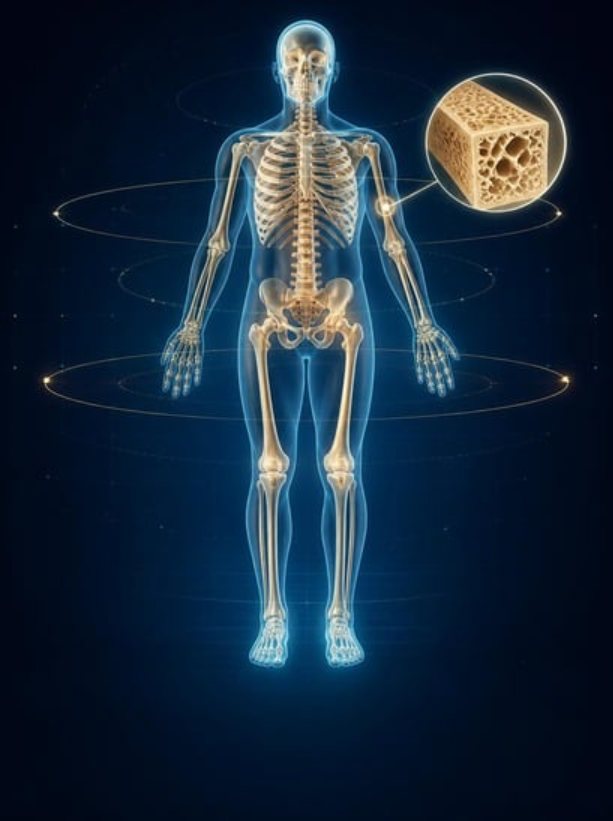
Notice how the skeleton dictates the shape of the body.
the lesson
Dr. Rob says · “Bones are the support beams of the body — like the pillars and trusses that hold up a building and handle all of its weight and stress. Draped over the skeleton is the muscular system, and joints and connective tissues bring them together so you can walk, run, jump, throw and lift.”
Keep exploring Form & Function
The rest of this eBook — all 13 chapters, both worksheets and the answer key.
Get the eBook · $49Join AmbassadorPLUS · $75/year · eBook includedAlready an AmbassadorPLUS member? This eBook is included.Sign in to unlockBones, Muscles & Joints: Form & Function
Form is what a part looks like and where it is. Function is the job it does. Read across each row.
| Body part | Form · what it looks like | Function · what it does |
|---|---|---|
| Bones (206) | Hard, living tissue; long, short, flat and irregular shapes | Support the body, protect organs and store minerals |
| Bone marrow | Soft, spongy tissue inside larger bones | Makes blood cells |
| Muscles (700+) | Bundles of stretchy fibers made of tiny fibrils | Contract (shorten) to move the body |
| Tendons | Tough cords | Attach muscle to bone — like the Achilles tendon at your heel |
| Ligaments | Strong bands | Connect bone to bone and keep joints stable |
| Cartilage | Smooth, rubbery tissue at the ends of bones | Cushions joints and lets bones glide |
| Joints | Places where two bones meet | Fixed joints (skull) hold; movable joints (hinge, ball-and-socket, pivot) let you move |
- You have 206 bones — the smallest are about 3 mm long, inside your ear.
- Even simple movements use many muscles working together — by some counts, about 200 for walking.
- Muscles can only pull, never push — they work in pairs, like the biceps and triceps.
Keep exploring Form & Function
The rest of this eBook — all 13 chapters, both worksheets and the answer key.
Get the eBook · $49Join AmbassadorPLUS · $75/year · eBook includedAlready an AmbassadorPLUS member? This eBook is included.Sign in to unlockWhen Things Go Wrong
Dr. Rob’s guide to common bones, muscles & joints conditions — what they are, the signs, how a provider finds them and how they’re cared for.
Fractures
What it is: A broken bone from a fall, hit or stress.
Signs: Pain, swelling, bruising, a strange shape, can’t use the part.
How it’s found: X-ray and exam; sometimes MRI.
Care: A cast or splint for several weeks; sometimes surgery with rods or plates.
Osteoporosis
What it is: Bones slowly lose mass and become porous and weak, usually with age.
Signs: Often none until a bone breaks; loss of height, stooped posture.
How it’s found: Bone density scan.
Care: Calcium, vitamin D, weight-bearing exercise and medicines.
Rheumatoid arthritis
What it is: An autoimmune disease: the immune system attacks the joints.
Signs: Painful, swollen, stiff joints.
How it’s found: Joint exam and blood tests.
Care: Not curable, but medicines, exercise, therapy and diet help.
Carpal tunnel syndrome
What it is: The median nerve gets squeezed in a narrow tunnel in the wrist, often from long hours of typing without support.
Signs: Numbness, tingling and weakness in the hand.
How it’s found: History and exam.
Care: Rest, a wrist splint, better posture; surgery in serious cases.
- Do weight-bearing exercise — walking, dancing, jumping — to build strong bones.
- Get calcium and vitamin D.
- Warm up before sports and use proper gear.
- Take stretch breaks from typing and phones.
Keep exploring Form & Function
The rest of this eBook — all 13 chapters, both worksheets and the answer key.
Get the eBook · $49Join AmbassadorPLUS · $75/year · eBook includedAlready an AmbassadorPLUS member? This eBook is included.Sign in to unlockPut It to Work
🔀 Pathway · How a movement happens
✅ Check yourself
LIVE ItFind your Achilles tendon, then stand on your tiptoes 10 times. Feel your calf (the muscle) pull the tendon, which lifts your heel (the bone).SHARE ItShow someone how the biceps and triceps take turns: bend your elbow (biceps pulls), then straighten it (triceps pulls).My notes:
Keep exploring Form & Function
The rest of this eBook — all 13 chapters, both worksheets and the answer key.
Get the eBook · $49Join AmbassadorPLUS · $75/year · eBook includedAlready an AmbassadorPLUS member? This eBook is included.Sign in to unlockEndocrine System
The body’s chemical messaging service.
the lesson
Dr. Rob says · “The endocrine system is like the body’s communications system. Different parts of the body talk to each other through chemical messengers called hormones that travel in the bloodstream. Hormones make us grow up, watch the sugar and chemicals in our blood, tell us when to sleep, and so much more.”
Keep exploring Form & Function
The rest of this eBook — all 13 chapters, both worksheets and the answer key.
Get the eBook · $49Join AmbassadorPLUS · $75/year · eBook includedAlready an AmbassadorPLUS member? This eBook is included.Sign in to unlockGlands & Hormones: Form & Function
Form is what a part looks like and where it is. Function is the job it does. Read across each row.
| Body part | Form · what it looks like | Function · what it does |
|---|---|---|
| Hypothalamus | A small area at the base of the brain | The main link between the nervous and endocrine systems |
| Pituitary gland | A pea-sized gland under the brain | The “master gland” — releases hormones that control other glands |
| Thyroid | A small, butterfly-shaped gland in front of the windpipe | Sets your metabolism (energy speed) and helps manage calcium |
| Parathyroids (4) | Tiny glands on the back of the thyroid | Control calcium in the blood and help activate vitamin D |
| Pancreas | A gland behind the stomach | Makes insulin and glucagon to keep blood sugar in balance |
| Adrenal glands | Sit on top of the kidneys like hats | Make cortisol and other stress hormones |
| Hormones | Chemical messengers in the blood | Tell target organs what to do |
- Insulin lowers blood sugar; glucagon raises it.
- Type 2 diabetes is more common than Type 1.
- Diabetes can reduce feeling and circulation in the feet — daily foot checks prevent serious infections.
Keep exploring Form & Function
The rest of this eBook — all 13 chapters, both worksheets and the answer key.
Get the eBook · $49Join AmbassadorPLUS · $75/year · eBook includedAlready an AmbassadorPLUS member? This eBook is included.Sign in to unlockWhen Things Go Wrong
Dr. Rob’s guide to common glands & hormones conditions — what they are, the signs, how a provider finds them and how they’re cared for.
Diabetes
What it is: A group of diseases in which the body can’t control blood sugar. Type 1: the pancreas makes little or no insulin. Type 2: the body doesn’t use insulin well.
Signs: Thirst, hunger, frequent urination, weight loss, tiredness, blurry vision, slow-healing sores.
How it’s found: Blood sugar and A1C blood tests.
Care: Healthy eating, exercise, checking blood sugar, medicines or insulin; daily foot care.
Hypothyroidism
What it is: The thyroid doesn’t make enough hormone. More common in women and people over 60.
Signs: Tiredness, feeling cold, dry hair and skin, slow heart rate, weight gain.
How it’s found: Thyroid blood tests.
Care: A daily thyroid hormone pill.
Cushing syndrome
What it is: Too much cortisol — from the adrenal glands or from taking steroid medicines for a long time.
Signs: Weight gain, stretch marks, easy bruising, slow healing.
How it’s found: Blood, urine and saliva tests for cortisol.
Care: Adjust steroid medicines, surgery or other treatment.
Hypercalcemia
What it is: Too much calcium in the blood, often from an overactive parathyroid gland.
Signs: Tiredness, thirst, frequent urination, weakness, confusion.
How it’s found: Blood tests and imaging.
Care: Medicines, or surgery to remove the overactive gland.
- Keep a healthy weight and move every day — both help insulin work.
- Choose water over sugary drinks.
- Get your blood sugar checked if diabetes runs in your family.
- Sleep 8 hours — hormones reset while you rest.
Keep exploring Form & Function
The rest of this eBook — all 13 chapters, both worksheets and the answer key.
Get the eBook · $49Join AmbassadorPLUS · $75/year · eBook includedAlready an AmbassadorPLUS member? This eBook is included.Sign in to unlockPut It to Work
🔀 Pathway · Keeping blood sugar balanced
✅ Check yourself
LIVE ItSwap it out: replace one sugary drink with water every day this week and track it.SHARE ItTell someone the warning signs of diabetes and encourage a family member over 35 — or younger if they are overweight or diabetes runs in the family — to get a blood sugar check.My notes:
Keep exploring Form & Function
The rest of this eBook — all 13 chapters, both worksheets and the answer key.
Get the eBook · $49Join AmbassadorPLUS · $75/year · eBook includedAlready an AmbassadorPLUS member? This eBook is included.Sign in to unlockDigestive System
Nature’s assembly line for food.
the lesson
Dr. Rob says · “The digestive system is unique because, in a way, it is an exterior system. We take in substances from the outside world, process them inside, then send the waste back out the other end. Your digestive system begins and ends at two different openings to the outside world.”
Keep exploring Form & Function
The rest of this eBook — all 13 chapters, both worksheets and the answer key.
Get the eBook · $49Join AmbassadorPLUS · $75/year · eBook includedAlready an AmbassadorPLUS member? This eBook is included.Sign in to unlockDigestion: Form & Function
Form is what a part looks like and where it is. Function is the job it does. Read across each row.
| Body part | Form · what it looks like | Function · what it does |
|---|---|---|
| Mouth | Teeth, tongue and saliva glands | Starts digestion by chewing (mechanical) and saliva (chemical) |
| Esophagus | A muscular tube | Squeezes food down to the stomach |
| Stomach | A muscular bag that holds about two liters | Mixes food with acid and enzymes to break it down |
| Small intestine | A long, narrow, folded tube; the duodenum is its first section | Absorbs nutrients — sugars, salts, vitamins, minerals — into the blood |
| Large intestine (colon) | A wider tube | Absorbs water and forms solid waste |
| Liver | The large organ in the upper right belly | Makes bile, cleans toxins out of the blood and processes medicines |
| Gallbladder | A small sac under the liver | Stores and concentrates bile for digesting fat |
| Pancreas | A gland behind the stomach | Makes digestive enzymes (and hormones like insulin) |
- The digestive tract is open to the outside world at both ends.
- The stomach holds about two liters.
- Bile from the liver helps you digest fats and fat-soluble vitamins.
Keep exploring Form & Function
The rest of this eBook — all 13 chapters, both worksheets and the answer key.
Get the eBook · $49Join AmbassadorPLUS · $75/year · eBook includedAlready an AmbassadorPLUS member? This eBook is included.Sign in to unlockWhen Things Go Wrong
Dr. Rob’s guide to common digestion conditions — what they are, the signs, how a provider finds them and how they’re cared for.
GERD (acid reflux)
What it is: Stomach acid keeps flowing back up into the esophagus.
Signs: Burning in the chest, trouble swallowing, a sour taste, a lump-in-the-throat feeling.
How it’s found: History and exam; sometimes an upper endoscopy (a camera tube).
Care: Smaller meals, avoid lying down after eating, medicines; rarely surgery.
Gallstones
What it is: Hard stones form from bile in the gallbladder and can block its ducts.
Signs: Sudden, strong pain in the upper right or middle belly, back or shoulder pain, vomiting.
How it’s found: Ultrasound and other imaging.
Care: Surgery to remove the gallbladder if stones cause problems.
Celiac disease
What it is: An autoimmune reaction to gluten, a protein in wheat, barley and rye.
Signs: Diarrhea, bloating, belly pain, anemia, poor growth.
How it’s found: Blood tests and a small-intestine biopsy (endoscopy). Keep eating gluten until testing is done; it runs in families.
Care: A strict gluten-free diet.
Crohn’s disease
What it is: An inflammatory bowel disease that causes deep inflammation of the digestive tract.
Signs: Diarrhea, belly pain, fever, tiredness, blood in the stool.
How it’s found: Blood and stool tests, colonoscopy, CT or MRI.
Care: Anti-inflammatory and immune medicines; sometimes surgery.
- Eat vegetables, fruit, whole grains and water every day (fiber keeps things moving).
- Go easy on fried and fast food.
- Wash hands before eating.
- Get screened for colon cancer at the age your provider recommends.
Keep exploring Form & Function
The rest of this eBook — all 13 chapters, both worksheets and the answer key.
Get the eBook · $49Join AmbassadorPLUS · $75/year · eBook includedAlready an AmbassadorPLUS member? This eBook is included.Sign in to unlockPut It to Work
🔀 Pathway · The path of a bite of food
✅ Check yourself
LIVE ItRainbow plate: eat three different colors of fruits or vegetables today and write down which organs they help.SHARE ItTeach a younger family member the path of a bite of food — act it out from mouth to colon!My notes:
Keep exploring Form & Function
The rest of this eBook — all 13 chapters, both worksheets and the answer key.
Get the eBook · $49Join AmbassadorPLUS · $75/year · eBook includedAlready an AmbassadorPLUS member? This eBook is included.Sign in to unlockExcretory (Urinary) System
The body’s filtration and waste-disposal plant.
the lesson
Dr. Rob says · “In the digestive lesson you saw how food becomes solid waste. The excretory system is the body’s way of turning other wastes into a liquid — urine — and getting rid of it. Think of it as the plumbing: the filters, the pipes, the storage tank and the drain.”
Keep exploring Form & Function
The rest of this eBook — all 13 chapters, both worksheets and the answer key.
Get the eBook · $49Join AmbassadorPLUS · $75/year · eBook includedAlready an AmbassadorPLUS member? This eBook is included.Sign in to unlockKidneys & Bladder: Form & Function
Form is what a part looks like and where it is. Function is the job it does. Read across each row.
| Body part | Form · what it looks like | Function · what it does |
|---|---|---|
| Kidneys (2) | Bean-shaped organs high in the back of the belly, on either side of the spine, just below the ribs | Filter the blood, balance water and salts, and make urine |
| Ureters | Two long, narrow, muscular tubes | Carry urine from the kidneys to the bladder |
| Bladder | A stretchy, balloon-like bag | Stores urine and signals the brain when it’s full |
| Urethra | A tube from the bladder to the outside | Carries urine out of the body (shorter in women, longer in men) |
| Prostate (in men) | A gland below the bladder | Adds fluid to semen; can swell with age |
- The kidneys keep the right balance of water, salts and sugar in your blood.
- Women have a shorter urethra, which is one reason they get more urinary tract infections.
- Take antibiotics exactly as prescribed — don’t stop early or share them.
Keep exploring Form & Function
The rest of this eBook — all 13 chapters, both worksheets and the answer key.
Get the eBook · $49Join AmbassadorPLUS · $75/year · eBook includedAlready an AmbassadorPLUS member? This eBook is included.Sign in to unlockWhen Things Go Wrong
Dr. Rob’s guide to common kidneys & bladder conditions — what they are, the signs, how a provider finds them and how they’re cared for.
Urinary tract infection (UTI)
What it is: Germs (often E. coli) grow in the urethra and bladder — and can reach the kidneys if untreated.
Signs: Burning when you pee, needing to go often or urgently, cloudy or bloody urine.
How it’s found: A urine test.
Care: Antibiotics, taken exactly as prescribed. A kidney infection can be life-threatening.
Prostatitis and enlarged prostate
What it is: Prostatitis is inflammation or infection of the prostate and can happen at any adult age. An enlarged prostate (BPH) is non-cancerous growth that is common after 50.
Signs: Frequent urination, weak stream, pelvic pain.
How it’s found: Exam and urine tests.
Care: Antibiotics for infection; medicines or procedures to ease urine flow for BPH.
Bladder cancer
What it is: A tumor from uncontrolled cell growth in the bladder; smoking is a major risk.
Signs: Blood in the urine (often painless), frequent urination.
How it’s found: Cystoscopy (a camera in the bladder), urine tests, imaging, biopsy.
Care: Surgery, chemotherapy and radiation.
Prostate cancer
What it is: A common cancer in men; risk grows with age.
Signs: Often none early; later trouble starting or keeping a stream, peeing at night.
How it’s found: Exam, blood test (PSA), ultrasound, MRI and biopsy.
Care: Watchful waiting, surgery, radiation or other treatment.
- Drink water through the day — pale yellow urine is a good sign.
- Don’t hold it for hours.
- Don’t smoke (it raises bladder cancer risk).
- Take antibiotics exactly as prescribed.
Keep exploring Form & Function
The rest of this eBook — all 13 chapters, both worksheets and the answer key.
Get the eBook · $49Join AmbassadorPLUS · $75/year · eBook includedAlready an AmbassadorPLUS member? This eBook is included.Sign in to unlockPut It to Work
🔀 Pathway · The path of urine
✅ Check yourself
LIVE ItWater tracker: drink a glass of water with every meal and snack today. Check your urine color in the afternoon.SHARE ItRemind someone you love: blood in the urine is never normal — it’s a reason to see a provider.My notes:
Keep exploring Form & Function
The rest of this eBook — all 13 chapters, both worksheets and the answer key.
Get the eBook · $49Join AmbassadorPLUS · $75/year · eBook includedAlready an AmbassadorPLUS member? This eBook is included.Sign in to unlockReproductive System
Two systems working together to create new life.
the lesson
Dr. Rob says · “To have a baby, the male and female reproductive systems have to work together. There has to be an egg cell from the female and sperm cells from the male — and in most cases just one sperm joins the egg. From that single cell, a whole new person grows. The female reproductive system is one of the most profound biological systems there is.”
More videos: VIVA: First Trimester · VIVA: Second Trimester · VIVA: Third Trimester
Keep exploring Form & Function
The rest of this eBook — all 13 chapters, both worksheets and the answer key.
Get the eBook · $49Join AmbassadorPLUS · $75/year · eBook includedAlready an AmbassadorPLUS member? This eBook is included.Sign in to unlockReproduction: Form & Function
Form is what a part looks like and where it is. Function is the job it does. Read across each row.
| Body part | Form · what it looks like | Function · what it does |
|---|---|---|
| Ovaries (2) | Small, sac-like organs; a baby girl is born with about two million immature eggs | Store and release eggs; make female hormones |
| Fallopian tubes | Thin tubes from the ovaries to the uterus | Carry the egg; where it usually meets a sperm |
| Uterus (womb) | A hollow, muscular organ | Home for a growing baby; its lining sheds each month during a period if no pregnancy |
| Cervix and vagina | The lower opening of the uterus and the birth canal | Let menstrual blood out and the baby be born |
| Testes (testicles) | Two glands in the scrotum, outside the body where it’s cooler | Make sperm and the hormone testosterone |
| Vas deferens | A thin muscular tube | Carries sperm toward the urethra |
| Seminal vesicles and prostate | Glands near the bladder | Add fluid that nourishes sperm |
- Pregnancy lasts about nine months, divided into three trimesters.
- Identical twins come from one fertilized egg that splits; fraternal twins come from two eggs.
- Sperm need a slightly cooler temperature than the body’s 37 °C, so the testes sit outside the body.
Keep exploring Form & Function
The rest of this eBook — all 13 chapters, both worksheets and the answer key.
Get the eBook · $49Join AmbassadorPLUS · $75/year · eBook includedAlready an AmbassadorPLUS member? This eBook is included.Sign in to unlockWhen Things Go Wrong
Dr. Rob’s guide to common reproduction conditions — what they are, the signs, how a provider finds them and how they’re cared for.
Sexually transmitted infections (STIs)
What it is: Infections such as chlamydia, gonorrhea, HPV and HIV spread through sexual contact. Some damage fertility; HIV attacks the immune system.
Signs: Often none! Sometimes discharge, burning, sores or warts.
How it’s found: Urine, swab and blood tests.
Care: Antibiotics cure some; medicines control others. Prevention: abstinence or condoms, testing, and the HPV vaccine.
Breast and cervical cancer
What it is: Cancers that can often be cured when found early.
Signs: A lump or change in the breast; unusual bleeding.
How it’s found: Knowing how your body normally looks and feels, mammograms, Pap and HPV tests.
Care: Surgery, radiation and medicines — early detection is key.
Endometrial (uterine) cancer
What it is: Cancer that starts in the lining of the uterus.
Signs: Bleeding between periods or after menopause, pelvic pain.
How it’s found: Pelvic exam, ultrasound, biopsy.
Care: Surgery, radiation, hormone therapy.
Fetal alcohol syndrome
What it is: Lifelong harm to a baby when the mother drinks alcohol during pregnancy — 100% preventable.
Signs: Growth, learning and behavior problems.
How it’s found: Exam and history.
Care: Prevention: no alcohol, tobacco or drugs during pregnancy; regular prenatal care.
- Get the HPV vaccine (recommended for preteens).
- Get tested and treated; abstinence or condoms prevent most STIs.
- Know what’s normal for your body, report changes, and keep up with recommended screenings.
- Healthy pregnancy: prenatal care, and no alcohol, tobacco or drugs.
Keep exploring Form & Function
The rest of this eBook — all 13 chapters, both worksheets and the answer key.
Get the eBook · $49Join AmbassadorPLUS · $75/year · eBook includedAlready an AmbassadorPLUS member? This eBook is included.Sign in to unlockPut It to Work
🔀 Pathway · From egg to baby
✅ Check yourself
LIVE ItWrite down the screening tests recommended for the adults in your family (Pap test, mammogram, prostate check) and the age each one starts.SHARE ItEncourage someone you love to keep their next screening appointment — early detection saves lives.My notes:
Keep exploring Form & Function
The rest of this eBook — all 13 chapters, both worksheets and the answer key.
Get the eBook · $49Join AmbassadorPLUS · $75/year · eBook includedAlready an AmbassadorPLUS member? This eBook is included.Sign in to unlockImmune System
Working around the clock to keep you healthy.
the lesson
Dr. Rob says · “Our immune system is the barrier that keeps germs out — identifying, improvising, adapting and overcoming any threat from the outside. White blood cells are vigilant: they find, identify and attack infectious organisms. They make antibodies that stick to germs and call other white cells to surround, swallow and destroy the invaders.”
More videos: Lymphatics and Blood Formation: Form & Function
Keep exploring Form & Function
The rest of this eBook — all 13 chapters, both worksheets and the answer key.
Get the eBook · $49Join AmbassadorPLUS · $75/year · eBook includedAlready an AmbassadorPLUS member? This eBook is included.Sign in to unlockImmunity & Lymph: Form & Function
Form is what a part looks like and where it is. Function is the job it does. Read across each row.
| Body part | Form · what it looks like | Function · what it does |
|---|---|---|
| Skin and mucous membranes | The outer barriers in the skin, nose and throat | The first line of defense — they keep germs out (innate immunity) |
| White blood cells | Cells that patrol the blood and tissues | Find, attack and swallow invaders |
| Antibodies | Y-shaped proteins made by B cells | Stick to a specific germ’s markers (antigens) and flag it for destruction |
| Memory cells | Long-lived immune cells | Remember a germ so the body responds faster next time (adaptive immunity) |
| Lymph vessels and lymph nodes | Vessels that run alongside blood vessels, with node clusters in the neck, armpits and groin | Drain fluid and filter it so germs can be caught and destroyed |
| Bone marrow | Spongy tissue inside larger bones | Makes all blood cells, including white blood cells |
| Spleen | An organ near the stomach | Filters the blood like a bus stop: old cells off, fresh platelets and white cells on |
- Innate immunity is always on; adaptive immunity builds a targeted attack over a few days.
- Memory cells are why you usually can’t catch the same infection twice — and why vaccines work.
- Lymph nodes often swell when they are fighting an infection.
Keep exploring Form & Function
The rest of this eBook — all 13 chapters, both worksheets and the answer key.
Get the eBook · $49Join AmbassadorPLUS · $75/year · eBook includedAlready an AmbassadorPLUS member? This eBook is included.Sign in to unlockWhen Things Go Wrong
Dr. Rob’s guide to common immunity & lymph conditions — what they are, the signs, how a provider finds them and how they’re cared for.
HIV / AIDS
What it is: A virus, spread through blood, semen, vaginal fluids and breast milk — not through saliva, sweat, hugs or sharing cups — that attacks T-helper cells. Over years it can lead to AIDS (Acquired Immunodeficiency Syndrome), when even a cold can be dangerous.
Signs: Often none for years; then tiredness, fevers, infections that won’t go away.
How it’s found: Blood tests.
Care: No cure, but antiretroviral therapy (ART) keeps the virus under control.
Lupus
What it is: An autoimmune disease — “friendly fire” — where the immune system attacks the body’s own joints, skin and organs.
Signs: Joint pain, rashes (often a butterfly rash on the face), tiredness.
How it’s found: Blood and urine tests and ruling out other causes.
Care: Medicines that calm the immune system.
Lymphoma
What it is: Cancer of the lymphatic system (Hodgkin and non-Hodgkin types).
Signs: Swollen lymph nodes, fevers, tiredness, weight loss.
How it’s found: Biopsy, blood tests and scans.
Care: Chemotherapy, radiation, sometimes a stem-cell transplant.
Multiple sclerosis and Type 1 diabetes
What it is: Autoimmune diseases: in MS the immune system damages the coating (myelin) of nerves; in Type 1 diabetes it destroys insulin-making cells in the pancreas.
Signs: MS: tingling, vision changes, weakness. Type 1 diabetes: thirst, frequent urination, weight loss.
How it’s found: Neurological exam and MRI; blood sugar and A1C tests.
Care: Immune medicines and therapy for MS; daily insulin for Type 1 diabetes.
- Stay up to date on vaccines.
- Wash your hands and cover your cough.
- Sleep, eat well and move — your immune cells need it.
- Don’t share needles, razors or toothbrushes.
Keep exploring Form & Function
The rest of this eBook — all 13 chapters, both worksheets and the answer key.
Get the eBook · $49Join AmbassadorPLUS · $75/year · eBook includedAlready an AmbassadorPLUS member? This eBook is included.Sign in to unlockPut It to Work
🔀 Pathway · How your body fights an infection
✅ Check yourself
LIVE ItGerm glitter test: put a little lotion and glitter on your hands, shake hands with a partner, then see how hard it is to wash off. That’s how germs spread!SHARE ItHelp someone you love check their vaccine record and make a plan for any shots they’ve missed.My notes:
Keep exploring Form & Function
The rest of this eBook — all 13 chapters, both worksheets and the answer key.
Get the eBook · $49Join AmbassadorPLUS · $75/year · eBook includedAlready an AmbassadorPLUS member? This eBook is included.Sign in to unlockPrevention: Live It Every Day
Take care of yourself. Help others.
the lesson
Dr. Rob says · “The three core ways to prevent chronic disease are a healthy diet, fitness, and avoiding substance use. Stay active. Make friends and support those relationships. Keep a regular sleep schedule. Eat less animal fat and sweets and more vegetables and lean protein. And please… don’t smoke tobacco.”
Keep exploring Form & Function
The rest of this eBook — all 13 chapters, both worksheets and the answer key.
Get the eBook · $49Join AmbassadorPLUS · $75/year · eBook includedAlready an AmbassadorPLUS member? This eBook is included.Sign in to unlockPrevention: Form & Function
Form is what a part looks like and where it is. Function is the job it does. Read across each row.
| Body part | Form · what it looks like | Function · what it does |
|---|---|---|
| Healthy eating | Vegetables, fruit, whole grains, lean protein and water | Gives every cell the nutrients it needs |
| Fitness | Kids and teens: 60 minutes a day; adults: at least 150 minutes a week | Strengthens the heart, lungs, muscles and bones and improves circulation |
| No tobacco or vaping | Clean air in, nothing else | Protects the lungs, heart, skin and every cell from toxins |
| Sleep | A regular schedule, about 8 hours | Lets the body repair and hormones reset |
| Stress care and friendships | Time with people, play and quiet | Protects the heart and the mind |
| Screenings and vaccines | Check-ups at the right ages | Catch problems early and prevent infections |
- Staying in a healthy weight range lowers the risk of cancer, diabetes, heart attack and stroke.
- Limit recreational screens to under 2 hours a day and move every day.
- The best way to understand a topic: Learn it, Live it, then Share it.
Keep exploring Form & Function
The rest of this eBook — all 13 chapters, both worksheets and the answer key.
Get the eBook · $49Join AmbassadorPLUS · $75/year · eBook includedAlready an AmbassadorPLUS member? This eBook is included.Sign in to unlockWhen Things Go Wrong
Dr. Rob’s guide to common prevention conditions — what they are, the signs, how a provider finds them and how they’re cared for.
Chronic disease
What it is: Heart disease, diabetes, many cancers and lung disease are often linked to diet, inactivity and tobacco.
Signs: Often silent for years.
How it’s found: Regular check-ups and screenings.
Care: Prevention first: eat well, move, don’t smoke, sleep, manage stress.
Tobacco and vaping
What it is: Smoking harms nearly every organ — lungs, heart, blood vessels, bladder, skin and more.
Signs: Cough, shortness of breath, wrinkles, getting sick more often.
How it’s found: Your provider can help — ask about quitting.
Care: Quit lines, counseling and medicines double the chance of quitting.
Inactivity and screen overload
What it is: Too much sitting weakens the heart, muscles and bones.
Signs: Low energy, weight gain, poor sleep.
How it’s found: Track your daily screen time and steps.
Care: Get up and move — 60 minutes a day for kids and teens, 150 minutes a week for adults.
- Eat: more vegetables and lean protein, less sugar and fried food.
- Move: 60 minutes a day for kids and teens, 150 minutes a week for adults.
- Breathe clean air: no tobacco, no vaping.
- Sleep on a schedule and stay connected to friends.
Keep exploring Form & Function
The rest of this eBook — all 13 chapters, both worksheets and the answer key.
Get the eBook · $49Join AmbassadorPLUS · $75/year · eBook includedAlready an AmbassadorPLUS member? This eBook is included.Sign in to unlockPut It to Work
🔀 Pathway · Save a life: BE FAST for stroke
✅ Check yourself
LIVE ItLive It week: pick one habit — water, steps, sleep or screen time — and track it for seven days in your LIVE It tracker.SHARE ItInvite someone to join the Force for Health and take this journey with you. Be a Force for Health!My notes:
Keep exploring Form & Function
The rest of this eBook — all 13 chapters, both worksheets and the answer key.
Get the eBook · $49Join AmbassadorPLUS · $75/year · eBook includedAlready an AmbassadorPLUS member? This eBook is included.Sign in to unlockWhich System?
Write the letter of the body system each part belongs to. Answers are on the Answer Key page.
Keep exploring Form & Function
The rest of this eBook — all 13 chapters, both worksheets and the answer key.
Get the eBook · $49Join AmbassadorPLUS · $75/year · eBook includedAlready an AmbassadorPLUS member? This eBook is included.Sign in to unlockBody Pathways
Fill in the missing steps using the word bank. Each word is used once.
❤️ 1. Blood flow through the heart
Vena cava → → Right ventricle → → Pulmonary vein → Left atrium → → Aorta → body
🫁 2. The path of a breath
Nose or mouth → Pharynx → → Trachea → → → Into the blood
🍽️ 3. The path of a bite of food
Mouth → → Stomach → → → Rectum and anus
🧬 4. Put these in order, smallest to largest
system · cell · organ · tissue → → → →
Keep exploring Form & Function
The rest of this eBook — all 13 chapters, both worksheets and the answer key.
Get the eBook · $49Join AmbassadorPLUS · $75/year · eBook includedAlready an AmbassadorPLUS member? This eBook is included.Sign in to unlockCheck Your Work
Check-yourself questions (chapter · question · answer)
Worksheet · Which System?
1-C · 2-G · 3-E · 4-I · 5-F · 6-B · 7-D · 8-A · 9-K · 10-H · 11-J · 12-B · 13-C · 14-H · 15-G · 16-K · 17-A · 18-I
Worksheet · Body Pathways
1. Right atrium, Pulmonary artery → lungs, Left ventricle · 2. Larynx, Bronchi, Alveoli · 3. Esophagus, Small intestine, Large intestine (colon) · 4. cell → tissue → organ → system
Missed a few? Every answer has an explanation from Dr. Rob in the games — play the Boss Quiz for that chapter.
Keep exploring Form & Function
The rest of this eBook — all 13 chapters, both worksheets and the answer key.
Get the eBook · $49Join AmbassadorPLUS · $75/year · eBook includedAlready an AmbassadorPLUS member? This eBook is included.Sign in to unlockYou Learned It… Now You’ve Earned It
Dr. Rob says · “Congratulations. You have shown your willingness to advance your knowledge of form and function. That was a big accomplishment — you earned a lot of points, but mostly, my respect. You are ready to start being an Ambassador in the role of Force for Health Educator.”
Your next steps
- Finish the Qwest. Earn all 13 station badges and pass Grand Rounds to print your certificate.
- Keep exploring. Use the 360° Human Explorer models and the VIVA videos to understand conditions that matter to you and your family.
- Teach someone. Use what you know to talk with others — at home, at school, in your community.
- Step it up. Some learners become advocates, Community Health Workers or go into other health careers. Others form a team and do an I.D.E.A.S. project to help others.
- Invite others to join the Force for Health so they can take this journey too.
Force for Health Human Educator
Pass Grand Rounds with 70% or better to unlock your printable certificate, signed by Dr. Robert Gillio.
Thank you for being a Force for Health. Take care of yourself! Help others!
Keep exploring Form & Function
The rest of this eBook — all 13 chapters, both worksheets and the answer key.
Get the eBook · $49Join AmbassadorPLUS · $75/year · eBook includedAlready an AmbassadorPLUS member? This eBook is included.Sign in to unlock Dr. Rob’s 360° Human Series
Form & Function
One curriculum, three ways to learn — plus a guide for the people who lead.
eBook $49 or included with AmbassadorPLUS · Group Leader’s Guide included with Certified Group Leader membership · The Qwest and games are free to play. This book is educational and is not a substitute for medical care.
theforce.health · FFH Virtual Library · 360° Human