First Responder Fitness and Knowledge Challenge: Event Planning Manual
Jessica Dranzik, Emma Hannan, Jessica Sellitto, Evan Wagner
Penn State University Master of Health Administration Students
April 2019
 An FFH Virtual Library publication · Preparedness & First Response
Manual Overview
Welcome!
Congratulations on deciding to host a Fitness & Knowledge Challenge to honor your local first responders! This manual will guide you through the entire process of planning and evaluating this obstacle-course-style event. You will learn:
- Why First Responders need more community attention and the impact you can have by hosting an event
- Considerations specific to planning this type of event
- How to host an event that will be meaningful and feasible in your community
- How to evaluate the success of your event
- How to continually improve the event for any future times you host
Hosting Your Own Fitness & Knowledge Challenge
- Familiarize yourself and any other planners with the issue first responders face nationally and specifically within your community
- Contact your local first responder units to help plan and participate in your event
- Design your specific event and modifications
- Finalize the date, time, and location of your event
- Advertise to participants and accumulate registrations
- Host your event!
- Solicit feedback from event participants
- Evaluate feedback, observations, and begin planning for your next event
- Send your recommendations to the Force for Health to help make this manual even better!
Table of Contents
Tip · every line is a live link. Tap one to jump.
Understanding the Problem
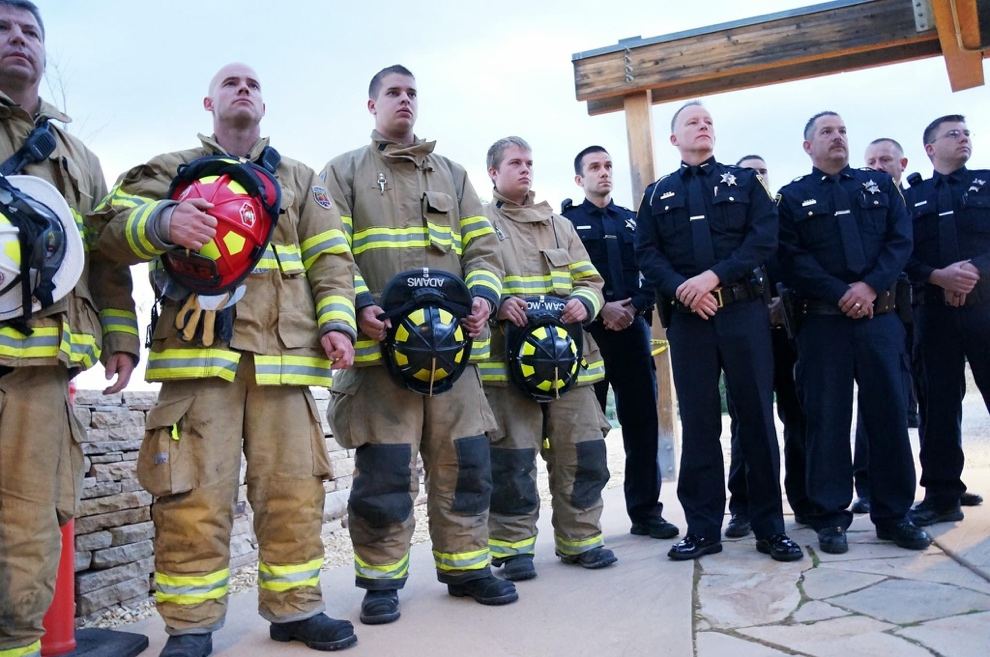
First responders (FRs) are instrumental in assuring the safety of the citizens of the United States, not only while we are in the midst of a crisis but also in our day-to-day lives. While their role as helpers and supporters provides an unquestionable benefit to society, their presence sometimes comes with a price. We can easily forget that the extensive training they must go through, along with the danger they constantly face, makes them more susceptible to issues with their physical and emotional well-being, especially when compared to civilian counterparts.
Before implementing your own First Responder Fitness and Knowledge Challenge, it is important to understand the hardships that first responders face along with the general lack of available resources in addressing these obstacles. A Fitness and Knowledge Challenge is a meaningful start to making an impact on the lives of the first responders in your community, but will only scratch the surface of what they need long term from the communities they serve.
Although some attention has been placed on mental health of FRs, one of the areas that is lacking in study and focus is how FRs' physical characteristics have an impact on their job, and therefore this manual and chapter will address how we can better understand those issues.
- First responders
- Training requirements
- Historic events
- Community engagement
- The existing research gaps
First Responders in the United States
First responders are professionals who initially respond to emergency situations in order to provide treatment or assistance. "First responder" is a broad term that includes volunteers as well as professional workers, such as:
- Firefighters
- Emergency Medical Services:
- Emergency Medical Responders
- Emergency Medical Technicians
- Paramedics
- Law enforcement
- Police officers
- SWAT
- Military personnel
- Mental health workers
- Emergency dispatchers
- Park rangers
- Search and rescue teams
- HAZMAT teams
- Recreational Protective Services Workers
- Lifeguards
- Ski patrol
Training Requirements for First Responders
Becoming a First Responder in the United States generally begins with training in the most basic of first aid techniques, with subsequent levels of expertise built upon that foundation. Therefore, obtaining a CPR certification is a logical first step. This certification is most commonly offered by the American Heart Association or the American Red Cross. After a CPR certification is obtained, further training depends on the desired specialty and the level of expertise that is dictated by the individual's role as either a professional or volunteer.
Since training varies from discipline to discipline, we can look at firefighters as an example of training requirements for first responders. Fire training depends on whether the ultimate goal is to volunteer at the local level, or to become a professional, career firefighter. For the former, becoming a volunteer firefighter generally begins with joining a local fire department. The process of joining a city fire department, such as the Fire Department of New York, however, is more structured than that of a smaller, community-based department. These municipalities will generally offer a path for new recruits to become fully-trained members, usually involving an "essentials of firefighting" course. Length of training often depends on the individual and department and often seeks to develop in the candidates a variety of skills including: external firefighting, internal firefighting, vehicular rescue, hazardous materials, enclosed spaces rescue, among others. Overall, direction of the firefighter training process at the national level is heavily influenced by the ProBoard. However, regulation of fire
departments is largely administered at the state level. For further information, one should contact his/her state's fire commission or other relevant departments.
Becoming an entry-level emergency medical professional, such as an EMR or EMT-B, generally begins with taking a post-secondary course offered by educational institutions such as community colleges and are less than a year in duration. Additional skill-specific training is recommended with certification granted after two years of classroom and field work. The overall process has shifted to fall under the supervision of the National Registry of Emergency Medical Technicians, an independent, non-governmental organization that regulates the certification of emergency medical personnel nationwide.
While there are current training requirements for first responders, since it varies from agency to agency, that training is often inconsistent. Although certification as a first responder requires competent demonstration of various physical skills, there are no set nationwide standards for general physical fitness. Independent departments can mandate minimum fitness standards, but anecdotal evidence suggests that this is uncommon. This lack of fitness requirements presents issues, especially when considering the importance of timely response to emergencies by first responders.
Challenges First Responders Face in the U.S.
While there is little-to-no existing literature and statistics on the physical component of first responder health and fitness, studies do exist that address the mental health challenges that FRs encounter and experience. Because of the many adverse circumstances first responders face, they are at risk to develop numerous medical and mental health issues due to the intensive nature of their work, and the types of trauma and stress that they witness. These individuals are at an increased risk to also develop a substance use disorder as they are often exposed to extreme amounts of perceived stress that can result in the development of trauma- and stressor-related disorders (Treatment Programs for First Responders, 2018).
Mental Health, Stress, and Exertion
The mental health challenges that impact firefighters, police officers, and EMS personnel include depression, stress and post-traumatic stress disorder (PTSD)/symptoms, suicide/suicide ideation, and substance abuse. In fact, 30% of first responders develop behavioral health conditions, while only about 20% of the general population develop these conditions, with firefighters being the most at risk. Furthermore, between 125–300 police officers die by suicide every year (SAMHSA, 2018).
First responders are often put in stressful, intense, and frightening situations, which can lead to high levels of stress. Additional stress originating at work oftentimes can spread to home life, which, in turn, may affect relationships and functionality. To put it in perspective, here are
Support is available 24/7 · call or text 988 · first responders can also reach the Disaster Distress Helpline
some statistics from an article entitled "First Responders Are Beginning to Address Their Own Health" by Jim McKay (2018):
- Law enforcement: 75% divorce rate; firefighters: 80%+ risk of experiencing mental health issues; dispatchers: 25% chance of developing PTSD symptoms
Additionally, many think the primary cause of harm and death for firefighters is by burns or smoke inhalation. This assumption is incorrect, however, as the proven number one cause of deaths for firefighters is stress and exertion, which harm or kill about 50 firefighters nationwide each year in the United States (Humboldt State University, 2015). It is clear that focus has been placed on the mental health conditions and issues that FRs face, and actions have been taken by organizations to begin to address this problem. There are published statistics and data supporting the notion that FRs face work-associated mental illness, and organizations have utilized that data to implement support and solutions. For example, the Code Green Campaign is an organization that raises awareness about first responders. It is oriented towards mental health and providing education about the numerous health issues first responders face. This organization provides peer support and crisis referral for hundreds of providers. They also provided $1000 in treatment scholarships in 2017 (Code Green Campaign, 2019).
September 11, 2001 Attacks
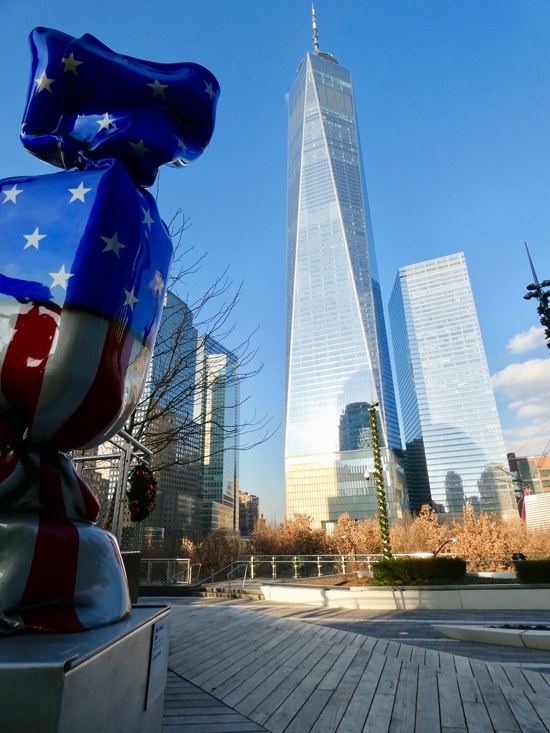
One of the best ways to see a global picture of the various impacts on the lives of first responders is to look at the 9/11 Attacks because they emulate and shine a light on the challenges that FRs face in the United States.
Of the 2,977 victims killed in the September 11 attacks, 412 were emergency workers in New York City who responded to the World Trade Center. This included:
- 343 firefighters (including a chaplain and two paramedics) of the New York City Fire Department (FDNY);
- 37 police officers of the Port Authority of New York and New Jersey Police Department (PAPD);
- 23 police officers of the New York City Police Department (NYPD); and
- 8 emergency medical technicians and paramedics from private emergency medical services
- 1 Patrolman from the New York Fire Patrol
(911 Health Watch, 2017).
Community Engagement and Civilian Preparedness
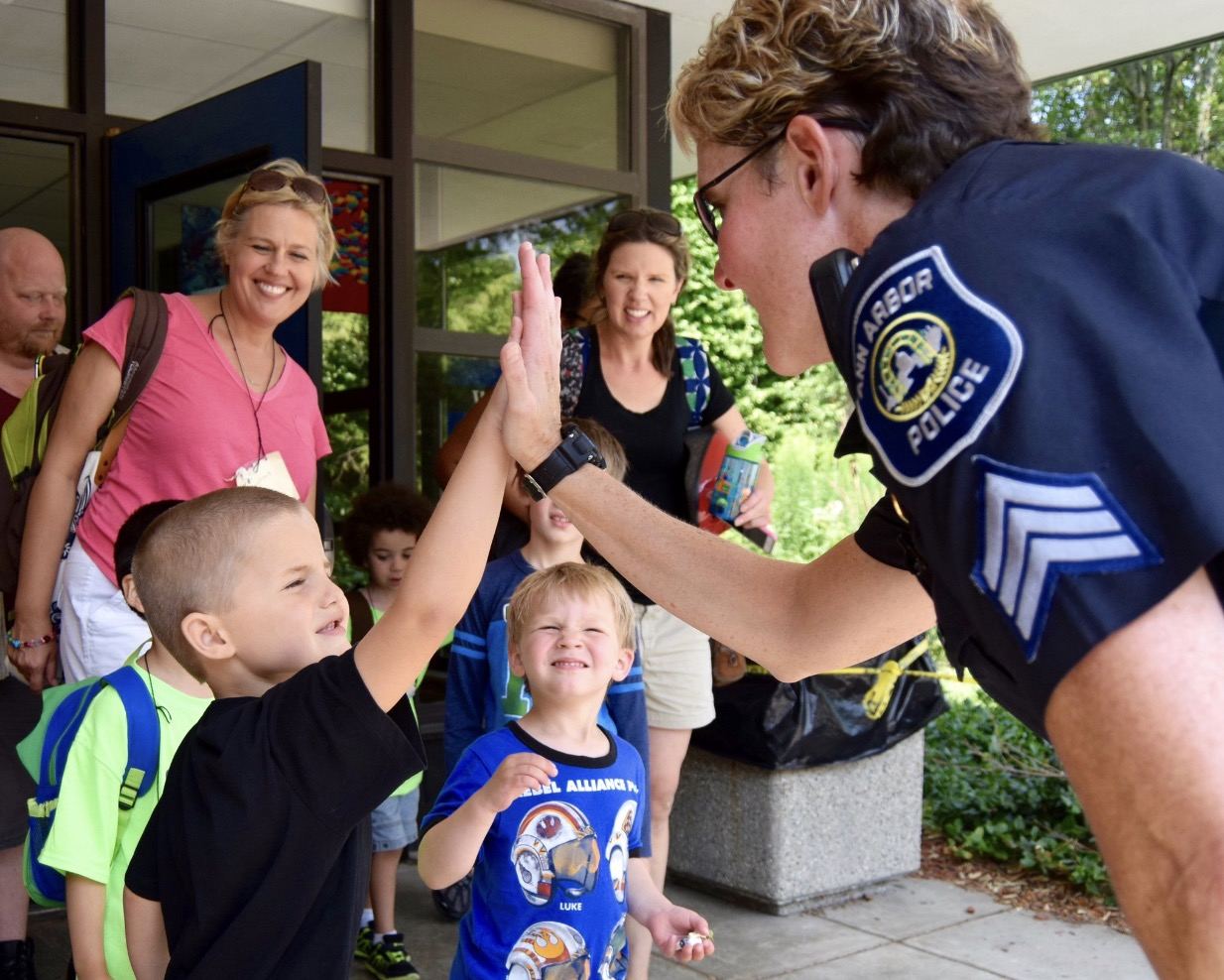
Because of the pressures and challenges that FRs face, civilians can be an integral resource and source of support to ease that burden. However, while many programs exist to prepare volunteers for emergency response, a small percentage of the civilian population is adequately prepared for assisting others in an emergency. The Community Emergency Response Team (CERT) is one such organization that aims to close the gap between the need for civilian response and the skills of civilians. More than 2,700 programs exist nationwide to instruct civilians on basic lifesaving skills, but recent national trends have revealed a general unpreparedness for aiding others (Community Emergency Response Team, 2019).
The Stop the Bleed campaign has been another nation-wide effort to prepare civilians for a particular type of disaster. In the aftermath of the mass shooting in Las Vegas in 2017, the deadliest in US history, experts revealed that the number of deaths would have been lower had more civilians been prepared with basic knowledge of controlling bleeds. According to the Stop the Bleed website, "loss of life from severe bleeding happens in mere minutes and is the most preventable cause of death from trauma" (Bleeding Control, 2019).
According to several resources, the most important life-saving skills for civilians to know do not require specialized equipment and can be learned independently. When planning your event, consider including instruction or demonstration of the most valuable life-saving skills:
- Cleaning and dressing wounds
- CPR
- Heimlich Maneuver
- Treating shock
- Preventing drowning
- Stopping bleeding
- Treating a burn
- Splint making
- Carrying someone who is heavier than you
Research Gap
While it is evident that first responders in the United States face a multitude of emotional, mental, and disease-related issues as a result of the requirements of their jobs, it is also important to emphasize that often-times, first responders are physically "out-of-shape" and therefore unable to adequately and effectively respond in certain situations.
While the current existing literature focuses more on mental health issues associated with first responders in the United States, there is a gap in research surrounding the physical health statuses of first responders. While some information is known about 9/11 associated diseases, for example, there is not much, if any, existing research on the physical component of first responder preparedness and health. While anecdotal evidence suggests that many first responders are overweight or out-of-shape, there is no supporting evidence to prove these assumptions necessarily to be correct. No existing studies have been conducted to investigate this issue, which then inhibits community members, first responders, and other interested parties from designing a solution. In fact, Gina Solomon, co-director of the occupational and environmental medicine residency and fellowship program at the University of California, San Francisco, has stated that "Emergency responders have not been adequately studied and they tend to be ignored." Some people at UC San Francisco do suggest that first responders may be overweight or out-of-shape because they are overly demanded at work and therefore do not have enough time outside of work to go to the gym and to buy healthy and fresh food. Plus, it is common for first responders to work multiple jobs, due to a low average salary. Therefore, after a long day of work or a stressful shift, a first responder may instead choose to spend their time off by sleeping or eating faster, less healthy meals. Therefore, there is little opportunity for health promoting activities such as creating healthy meals, sleeping, and exercising.
Call to Action
Existing literature and statistics focus on the mental health component of the challenges first responders face. And thankfully, some organizations are beginning to address this and provide support and solutions. But, because there is minimal research on the physical health, fitness, and preparedness of first responders, we are attempting to begin to bridge the gap by creating this manual and event outline. We urge you to utilize this information and to allow it to inspire your efforts to help local first responder units.
- Describe your role as a first responder (FR segment, number of years in role)
- What inspired you to become a first responder?
- How does your unit interact with your community? What would you change about these interactions if you could?
- What misconceptions do you find that people have about your role or emergency response in general?
- What is the most challenging thing about your role?
- What is the most rewarding thing about your role?
- What are some local, regional, national, or worldwide trends that most impact you in your role as a first responder?
- What are some of the most prominent physical health issues that you have identified among your colleagues or those in your role?
- What are some of the most prominent mental health issues that you have identified among your colleagues or those in your role?
- How can your community better address the needs of you and your colleagues?
Contacting Local First Responder Departments: Letter Template
To Whom It May Concern:
We are aware that sometimes, first responders need financial contributions and physical preparedness to respond to emergencies, but communities are often unaware of the dependency first responder units have on community members to meet these needs. We are looking to coordinate a First Responders Knowledge and Fitness Test Fundraiser. The purpose of the fundraiser event is to raise awareness, engagement, and funding in the community to emphasize the challenges local first responders face and to test the public's knowledge of emergency response. The event itself is therefore going to address community engagement with this issue and promote the focus on health and fitness of first responders. The actual event will consist of a knowledge and fitness test where civilians compete against first responders in a series of challenges. Funding will come from participant and spectator donations. The event will test first responder fitness and knowledge, test and increase civilian knowledge and readiness related to emergency response procedures, and ultimately raise funds for local FR departments to improve the ability of first responders to effectively operate in emergency situations. Our fundraiser can help local groups better engage their communities to help bridge the gap between required resources for First Responder success and the limited resources to which most units have access.
Planning the Event
Your Fitness & Knowledge Challenge will combine skills that first responders use in a typical call and also a physically demanding component.
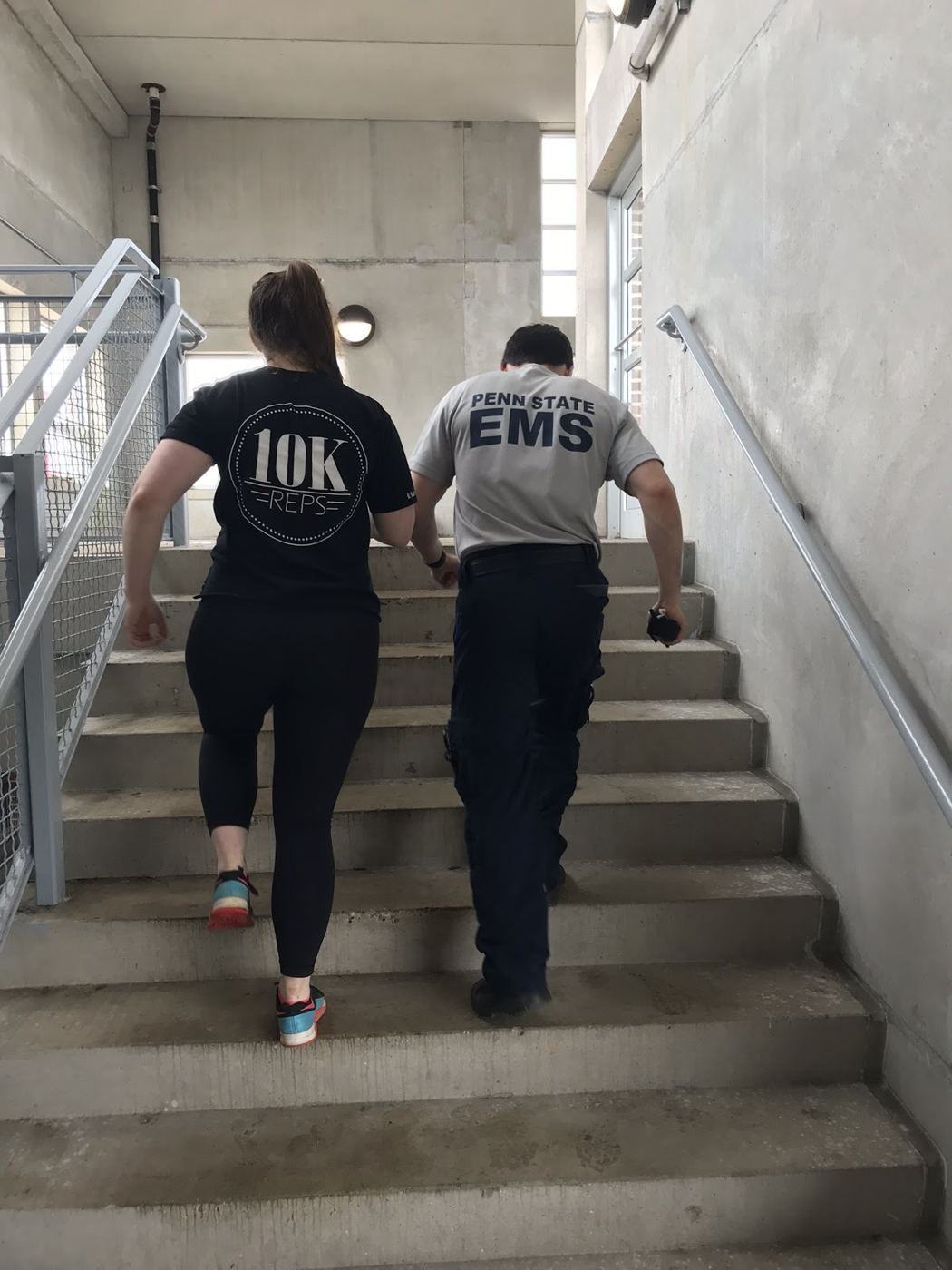
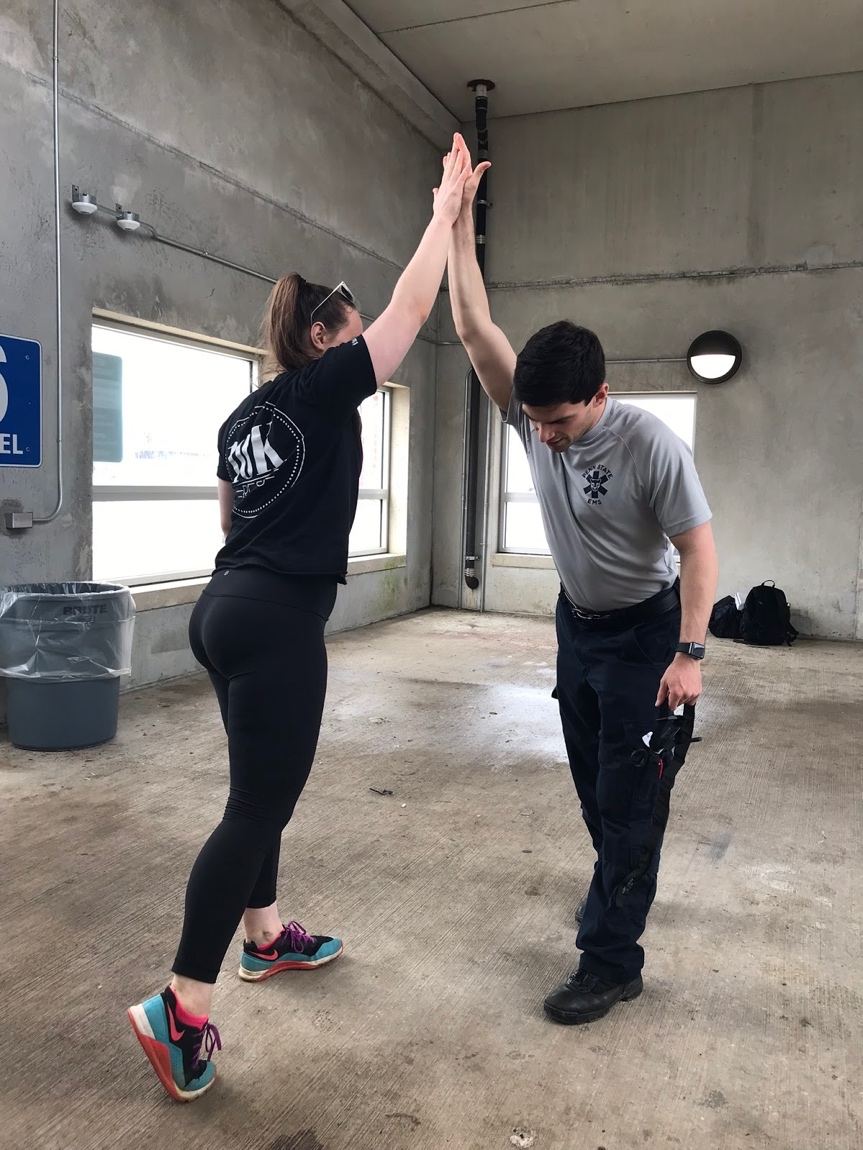
The event will run like an obstacle course, where participants are encouraged to move quickly over challenging terrain (such as stairs, a hill, a wooded trail, etc.) while completing challenges at certain intervals along the route. You can choose to make your event a competition or just-for-fun, but an event that is meaningful to your participants will require considerable planning.
When designing your event, be sure to consider the following:
- Where will your event take place?
- What types of skills challenges will you include?
- How can you best adapt your event to your target demographic?
- How will you determine competition winners?
- How will you measure the event's success?
- How will you ensure participants' safety?
This chapter will guide you through the process of answering each of those questions. As you plan each component of your event, remember your intention for hosting the event in the first place. What do you want participants to get out of this event?
Level of Difficulty
First responders must complete life-saving procedures that require attention and precision while under great physical duress. Your Fitness and Knowledge Challenge should be exactly that — a challenge. It should give civilians the chance to experience the difficulty first responders face, but it should not inherently deter the vast majority of your intended participants. Many first responders may be overweight, fatigued, or in otherwise poor physical condition. In the next section, you will read some guidance on how to design your event skills, and it is important you balance the difficulty and length of the event with the terrain and location of your event. For example, hosting your event in a stairwell will be more inherently challenging than on a flat turf field.
In any case, your event should be scalable. You should offer at least two versions of your event that can allow those who are hesitant about a physical challenge. This can include a "half" challenge and a "full" challenge, for example. If you are teaching participants the skills-based challenges ahead of time, you should have no reason to scale the skills. If possible, recruit pre-event volunteers who demonstrate varying levels of physical fitness to test the events. Doing so will allow event designers to provide the appropriate number and specifications of event variations to appeal to the identified target demographic.
Additionally, event organizers can also provide non-physical activities for supporters who are physically unable to complete any challenge variation. It is important, in this case, to make sure that you have the space to accommodate them! Non-physical activities are a great way to increase engagement and can be opportunities to raise more funds to support your local first responders.
Other Non-physical Event Ideas:
- Recruiting information for those interested in becoming a first responder
- More information about local EMS (# of fires put out, lives saved, etc.; what EMS do and do not do)
- Thank-you station — write a letter to an EMS/family member
- Basic skills workshops beyond what is tested in the event
- Donations basket (raffles, prizes for donation levels, etc.)
- Information on how to "Adopt a FR unit" for employers, wellness centers, etc.
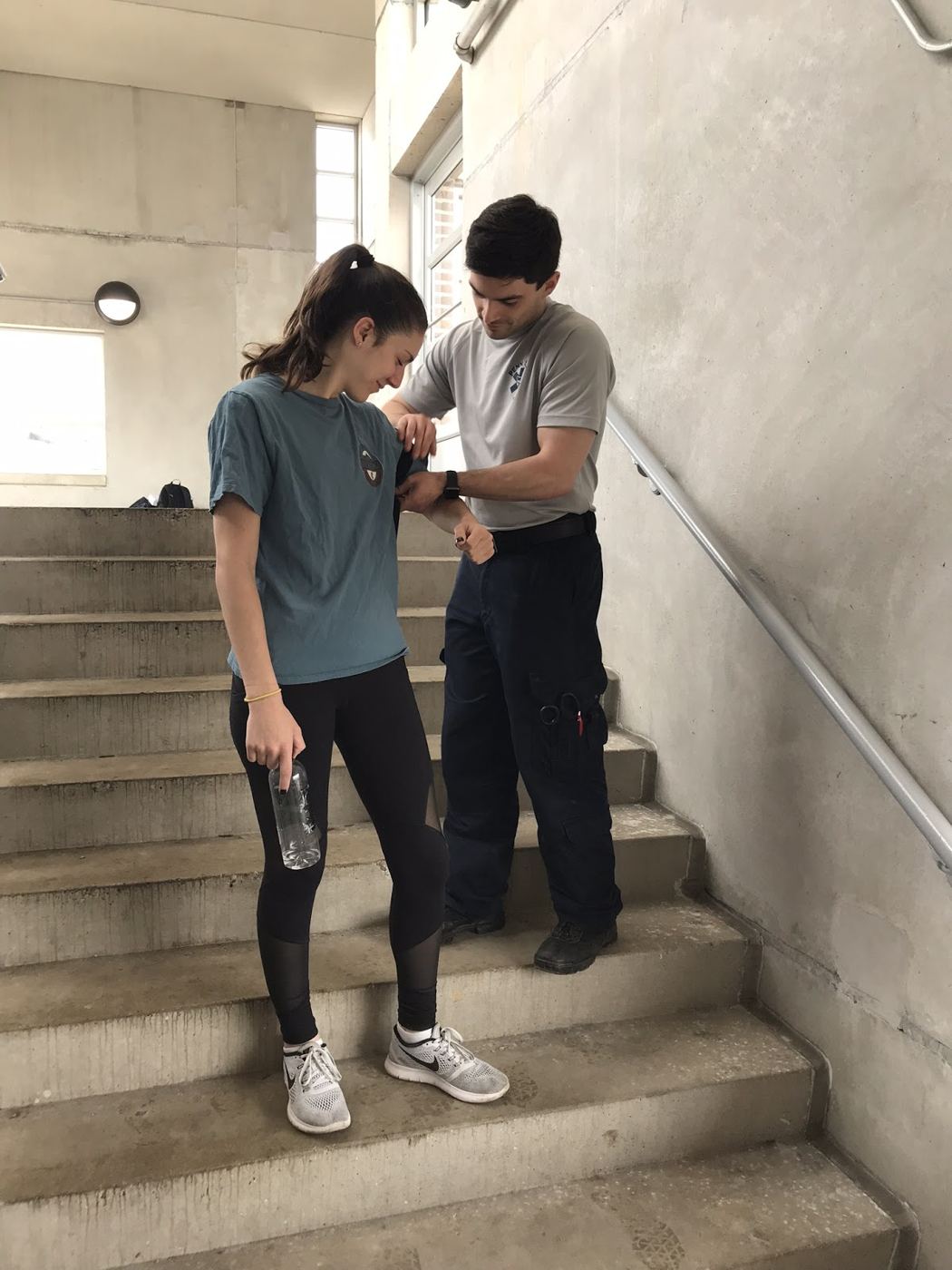
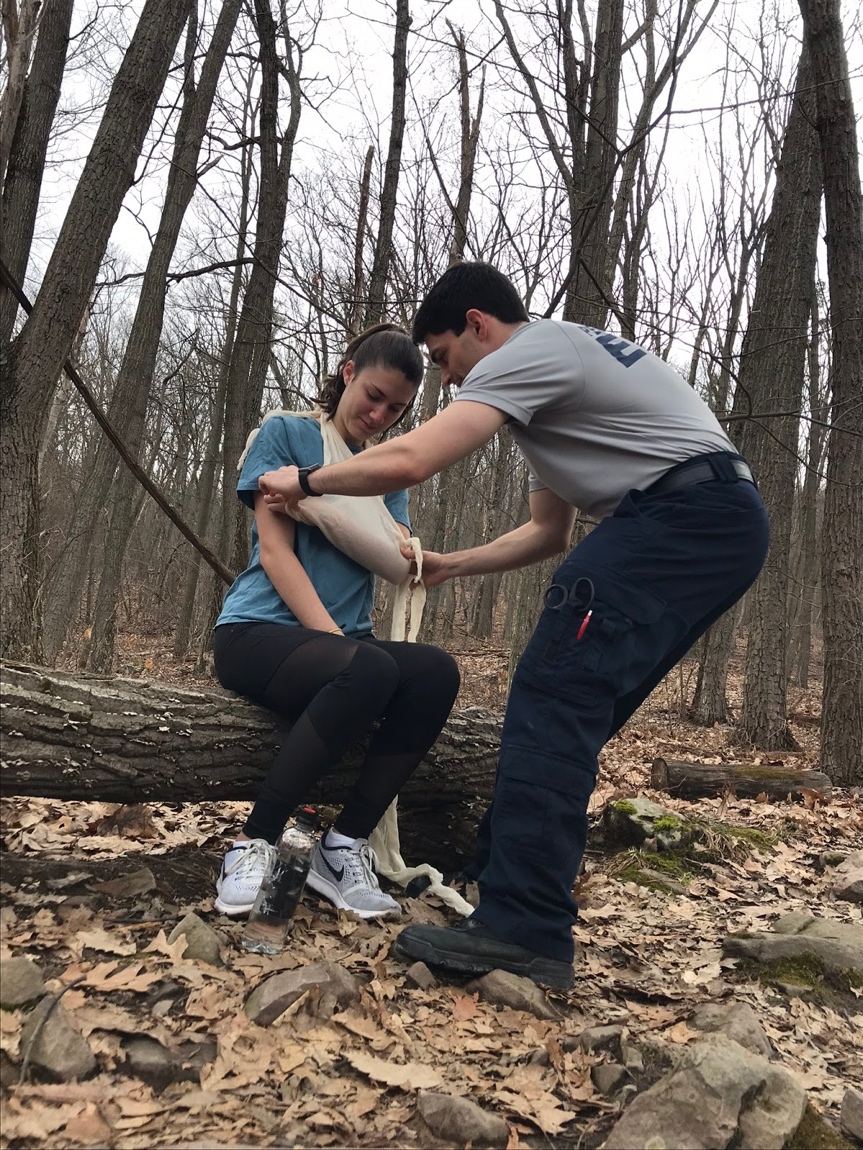
There are myriad options for skills challenges, depending on the types of equipment available, your chosen venue, and desired degree of difficulty. Skills can vary from simple to multi-faceted and advanced, with any conceivable combination. However, depending on your desired outcomes, we suggest skills that would be most beneficial for civilians to learn in order to maximize the effectiveness of the event.
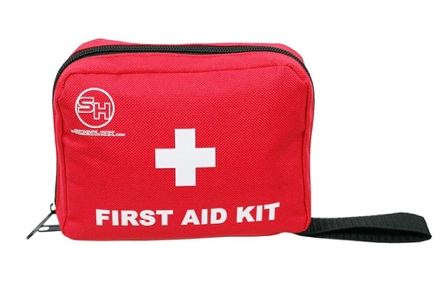
- Bleeding control
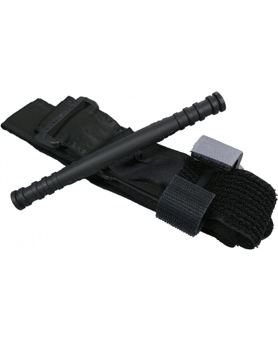
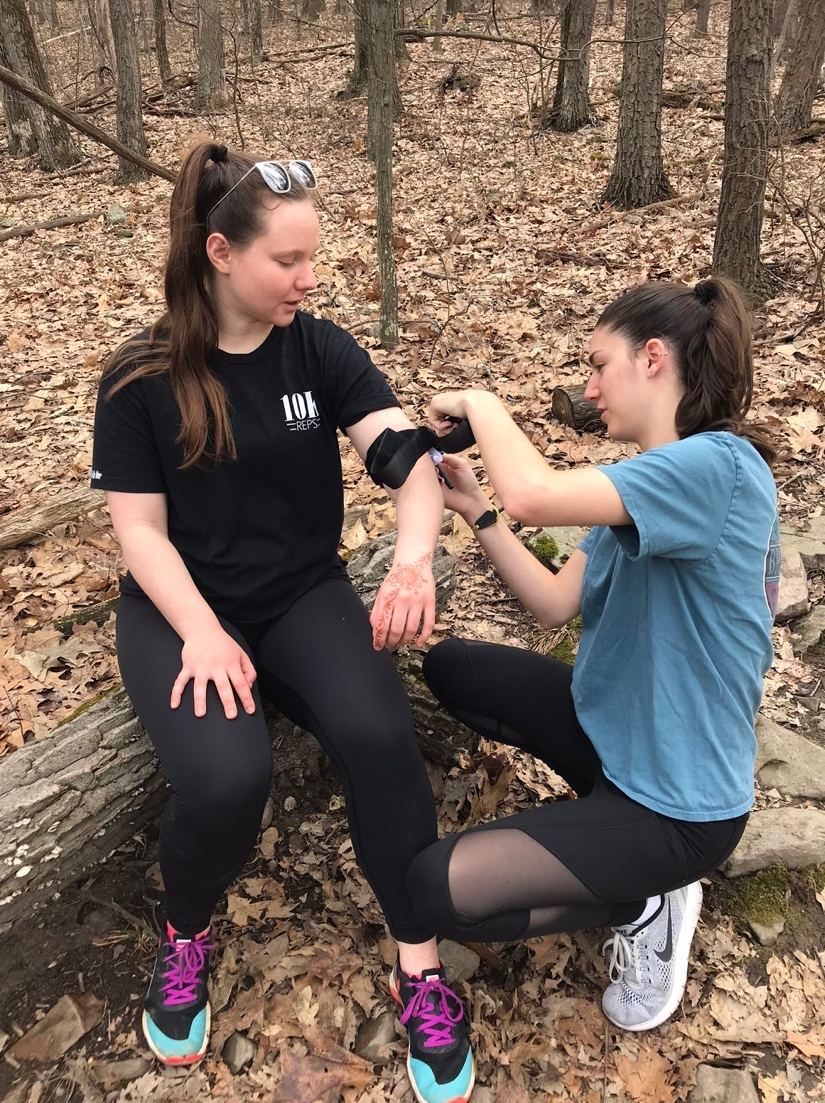
- Tourniquet application
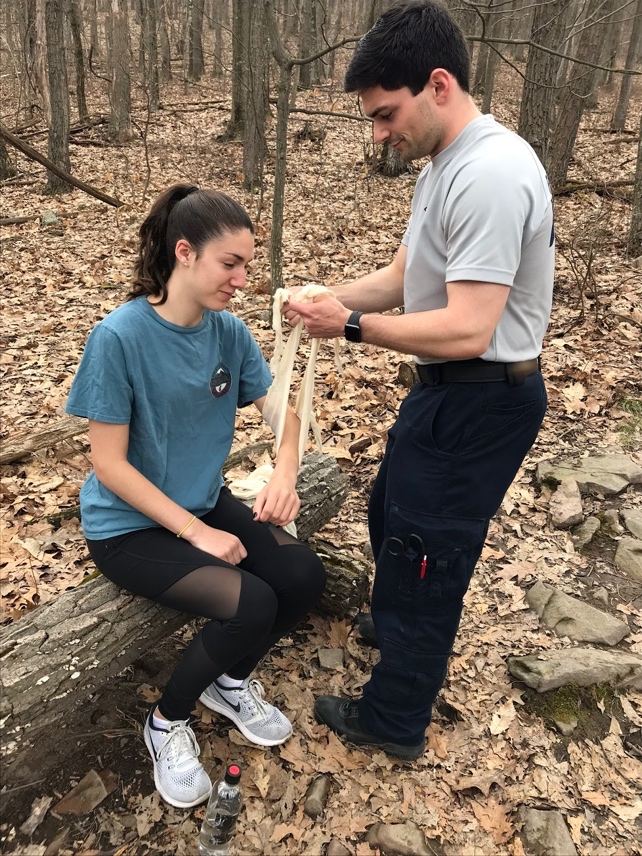
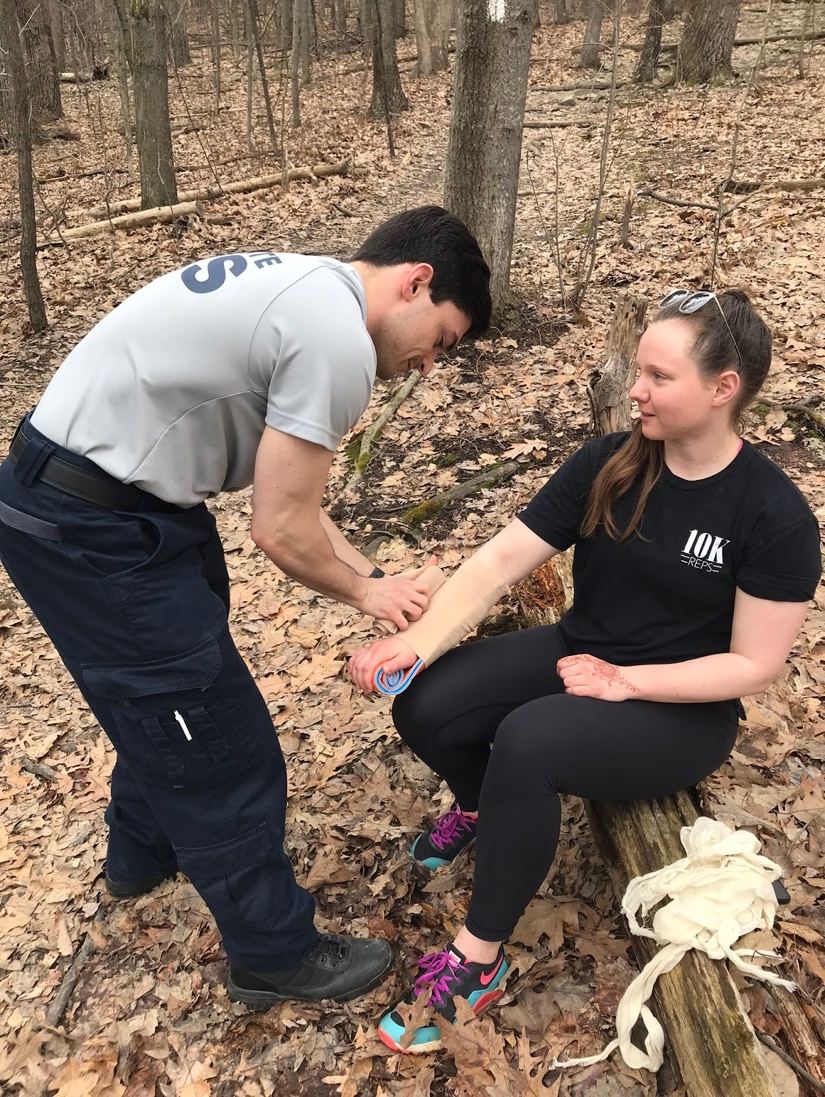
- Splinting of extremities
- Patient evaluation (basic vitals, triage, etc.)
- CPR
- Treatment for burns
- Knot tying (basic rescue knots such as bowline)
- Creation of improvised stretchers
- Patient packaging and transport (scoop stretchers, Reeves litters, stair-chairs, etc.)
- Improvisation of rescue devices (litters with poles and blankets; partner carrying, etc.)
- Carrying equipment (fire hoses, ladders, tools, etc.)
- Traversing obstacles (simulated debris)
- Breaching doors
- Tactics for evading or confronting gunmen/other attackers
- Hazardous materials identification and response
Materials Needed
Materials necessary for skills challenges will largely depend on the chosen challenges. Various first aid and rescue supplies can generally be borrowed from participating first responder organizations. Most EMS and fire companies will have equipment that is designated for training purposes that would be adequate for the event.
Additionally, for an added level of challenge, participants could be required to improvise emergency equipment by using typical household or office materials. For example, potential supplies that could be used for splinting an injured extremity could include broomsticks and belts.
Indoors or Outdoors?
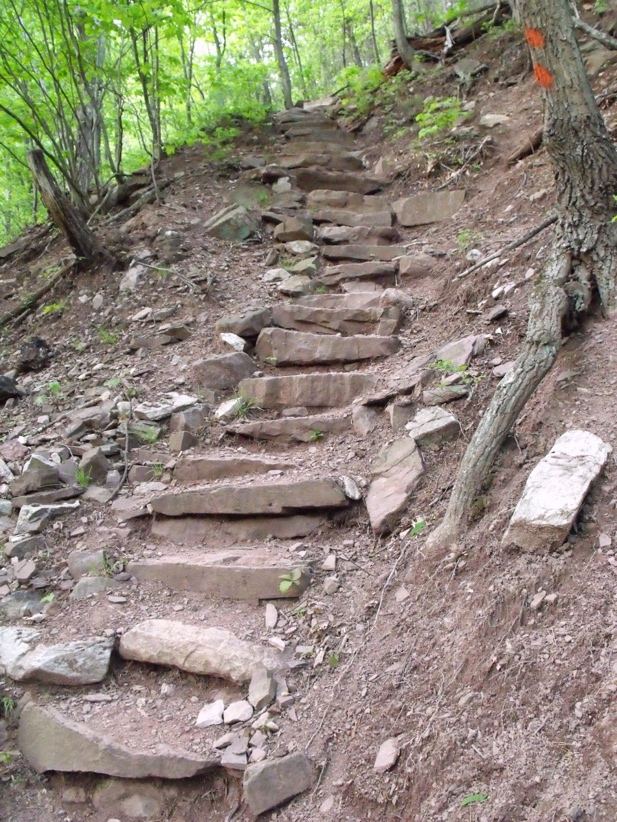
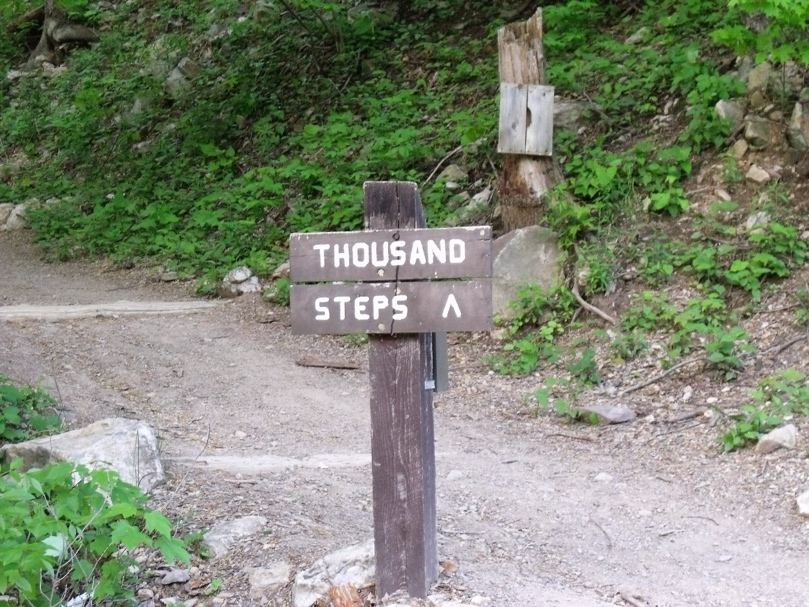
First responders do not get to choose which calls they respond to and usually do not know exactly what to expect in the environment of a call. Hosting your event outside will give civilians a look into the unpredictability and personal precautions first responders must take when responding in an emergency. However, hosting the event outdoors will present a new challenge for ensuring safety. Depending on the resources available and the climate in your community, hosting the event indoors might make more logistical sense than outdoors, or vice versa. Work with your contacts in the FR units in your community to decide on a location that will provide a challenge while mitigating risks for participants. Tall stairwells, parking decks, stadiums, or hiking trails all have the potential to be suitable locations depending on the specific needs of your events.
Make sure to research what kind of permission you need to use public spaces and how to obtain that permission. Your contacts in your local FR units should assist in choosing a location that will be appropriate for the event and might be able to guide you on how to secure permission for your event location.
Time of Year
In addition to considerations of typical weather patterns in your area for an outdoor event, you might want to consider commemorating an event to honor first responders based on an event that was meaningful in your community. There are events around the country in September to honor those who served on 9/11, but centering your event on a different time of year that has more personal significance to your community members will give participants a deeper connection while at the event. You can also choose to time your event around when first responders came to the rescue of a certain group elsewhere in the world, such as those affected by school, religious, or other identity-based shootings; those affected by natural disasters; etc.
Time of Day
Work with your FR contact to decide on the best time of day to hold your event. For the safety of the community, an appropriate first responder staff must be working at all times, so it is important to consider the availability of local first responders at certain points during the day or week. Also note that the stress that many first responders routinely face might deter many first responders from opting to participate during a day or shift off.
Modifying the Event for Volume
Especially in an event's first iteration in your community, it is hard to estimate the volume of participants that will attend the event. However, estimating participant volume can be one of the most useful metrics in planning your event location and time, so consider the following options for their feasibility with your available resources:
- Pre-paid, online registration (most accurate estimation of volume)
- Non-paid registration (can include "early bird" specials to be paid on-site; can use free online survey software to gather participant information)
- No pre-registration
- Make marketing widely available
- Have a plan for getting more people (heats, activities, teams, etc.) and fewer people than anticipated
If you are not able to accurately gauge your expected attendees, you must be ready to adapt and modify your event for having more or fewer people than you expected. This can be easily done with ample planning!
Volunteers
The more volunteers, the better. Volunteers can both assist in facilitating the event and participate depending on the staffing needs of the event. Volunteer positions you may want to consider include:
- Check in, registration
- "Judging" each skill challenge
- Direction-givers along the way (especially useful if using an outdoor trail)
- Timers at the start and end of the course
- Facilitators of any non-physical activities
Participants themselves can raise money on behalf of first responder units. Civilians can pay to compete in the event, and the "winning" first responder unit(s) will have the pool of civilian money divided. There can be one lump sum for the winning team or prize amounts depending on the unit's ultimate placement.
Determining a "winner" — either an individual or a FR unit — will give participants more of an incentive to prepare physically before the event. While planning your event, decide on how you want to determine your event's winners, and how many winners you want to have.
- Winning First Responders team — scoring: there are several ways to determine the winning first responder unit
- Averaging time of all representatives of FR unit; unit with the fastest average time is the winner
- Rank the team members from each unit in order from fastest to slowest; the unit whose slowest member completed the course the fastest is the winner
Other potential prizes:
- Winning individual First Responders, by age group, gender, etc.
- Winning individual civilian, by age group, gender, etc.
Safety Considerations
Ensuring the safety of participants and event staff is critical. It would be completely counterproductive to the entire goal of the event if a volunteer were to be severely or permanently injured while participating. Therefore, it is essential for event organizers to think carefully about the safety of everyone involved, as well as prepare for adverse events.
Adequate preparation begins with thorough analysis of all potential safety hazards. Hazards will be specific to your event, but some items to consider include:
Environmental Hazards- Will participants be exposed to the sun and heat or extreme cold?
- Is there potential for high winds?
- If held outdoors, could the terrain cause slips, falls, twisted ankles, etc.?
- Is there any risk for injury from rockslides?
- Could the terrain become slick if wet?
- Could wildlife (snakes, spiders, bears, etc.) pose a danger?
- Could participants or volunteers be at risk from traffic, motor vehicle or otherwise?
- Is there a place where participants and volunteers could seek shelter from unexpected storms?
- How easily could an injured participant/volunteer be extricated from the venue?
- Is the event being held far from an emergency room?
- Could participants be injured by equipment?
- Could over-exertion cause harm to participants (such as cardiac issues, strains/sprains, fractures, etc.)?
- Could application of first aid or rescue techniques cause harm to volunteer patients?
- Will there be bystanders at the venue for the event? Could non-participants be injured if bumped, jostled, struck, etc. by participants?
Answering these initial safety questions is the beginning step of the safety plan. Addressing the answers should be the next step. Again, these steps will likely be dependent on individual events and venues. If environmental concerns are identified, potential solutions should be developed. For example, if the event is going to be held in the spring or summer in a sunny location, organizers could address the risk of heat-related injury by providing tents or awnings to provide shade, bring sunscreen for participants and volunteers, and by providing water. Other environmental hazard solutions could include contingency plans. Event organizers should know where the nearest sheltered locations are and have a plan to evacuate participants if needed. Organizers must also develop guidelines for deciding if the event needs to be postponed or cancelled due to extreme weather.
One of the most important safety considerations is to have EMS on standby at the event. While many of the participants would likely be able to help in the event of an injury or illness, they cannot replace having a fully stocked and staffed ambulance ready to provide rapid transport to the nearest emergency room. Additionally, event organizers must be aware of and adhere to local regulations regarding events.
While an adequate safety plan should mitigate the risk for participants and volunteers, there will always be uncontrollable variables. For this reason, it is imperative to inform participants and volunteers of inherent risks and ensure that they understand and accept any risks, as well as protect organizers from potential liability. Such informed consent is best obtained by requiring participants to sign a liability waiver. Such waivers are common to many voluntary events such as this, but should be written by an attorney or other professional familiar with developing such documents. Finally, organizers should consider purchasing a one-day liability insurance plan.
EVENT DESIGN: Do's & Don'ts
- Be creative with your location!
- Have a backup plan — even indoors!
- Make your event scalable
- Test your event ahead of time
- Have a test group of participants that can evaluate the relative difficulty of your event
- Offer other, non-physical activities at the event
- Provide yourself a way to estimate the number of participants
- Limit participation by making the challenge too hard
- Schedule an outdoor event without a back-up plan
- Assume you have the right to use any community space
SAMPLE EVENT
- The day begins with event organizers and volunteers arriving at the venue and setting the necessary stations:
- registration table
- starting/finish line
- first-aid area
- snack/hydration station, etc.
- Teams begin to arrive and check in at the registration table. Once registration is complete, the day begins with a ceremony to commemorate the 9/11 attacks, local first responders, or other relevant issues. This ceremony could include playing the national anthem, prayer, or other solemn tribute.
- Event organizers lead all event participants in a guided demonstration of any of the special skills that will be part of the challenge. This can happen at once or throughout the day as teams prepare to begin the challenge.
- The event organizers then give last minute information regarding the event, especially any pertinent safety information.
- Teams then make final preparations for the event. Beginning with teams at the base of the chosen trail or staircase, teams are organized in the order in which they will be competing (first responders in front, for instance).
- Launch the event by having the first group take off at the blow of a whistle, or for more realistic circumstances, the sound of emergency pager tones.
- Utilize walkie-talkies to inform volunteers that the first group has started. Depending on your timing system, you will need to inform the proper person to start timing.
- The first group will proceed up the steps until they arrive at the first challenge. They will complete the challenge and the volunteers at the station will note the time and accuracy of the first group's efforts. After the first team completes the challenge, they will proceed up the steps and the volunteer at the first challenge station will inform the base via radio and the next group will start up the steps.
- When the first group completes all challenges and reaches the top of the stairs (or other end of the course), their time is recorded. The first team then gets a chance to recover and have a drink or a snack while waiting for the subsequent teams to finish. They can begin to descend back down, taking an alternate route if the upward route is not conducive to two-way travel.
- Once all teams have completed all challenges and made it to the end of the course, the teams and volunteers reconvene. While the last few teams are recovering, the volunteers calculate final times and determine the winning teams. The winning teams are announced during the closing ceremony.
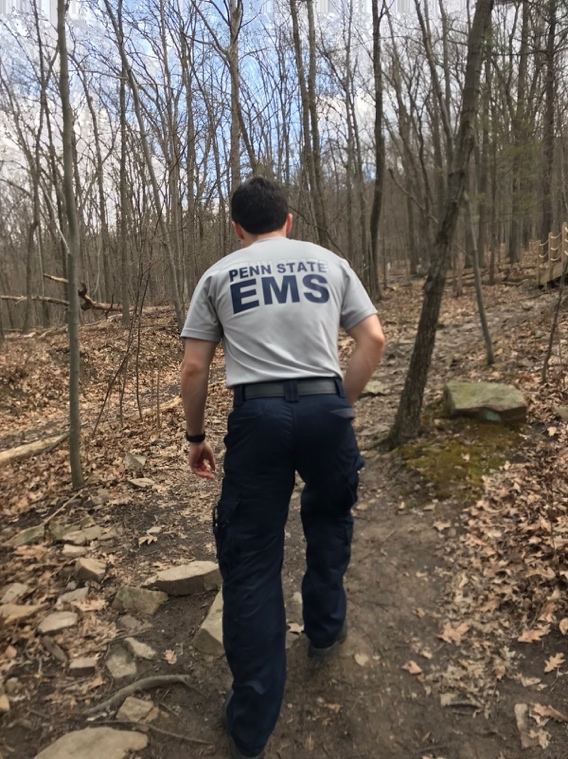
Here are some photos to assist you with designing and planning your event!
Marketing
Now you have reached the next phase of the event-planning process: marketing. In this phase you will identify your audience, learn about some of the best ways to reach those audiences, and learn about the timeline of when to begin the marketing process for your event.
Identify the Audience
When trying to identify your audience, consider:
- Age
- Location
These are two key factors when determining how to promote the event. If you are located in a rural community, flyers may not be an effective way to promote your event, given the "spread-out" nature of rural towns. This approach would be more effective in a suburban or urban community where there is a central, easily accessible "hub" where civilians come together to shop, eat, and engage in community activities. In a rural community, the event would be best promoted by word of mouth, radio, the internet, at rotary meetings, community events and gatherings, or personal phone calls.
You will also have to consider age. For example, if trying to target an older population, social media may not be the best way to gain attention from this particular audience. However, for younger generations, social media is the BEST way to target this audience. Older populations would pay better attention to flyers, radio station announcements, newspaper postings, etc., much more than a post on Facebook or other social media platforms.
Promoting
There are a multitude of ways to promote an event, including but not limited to:
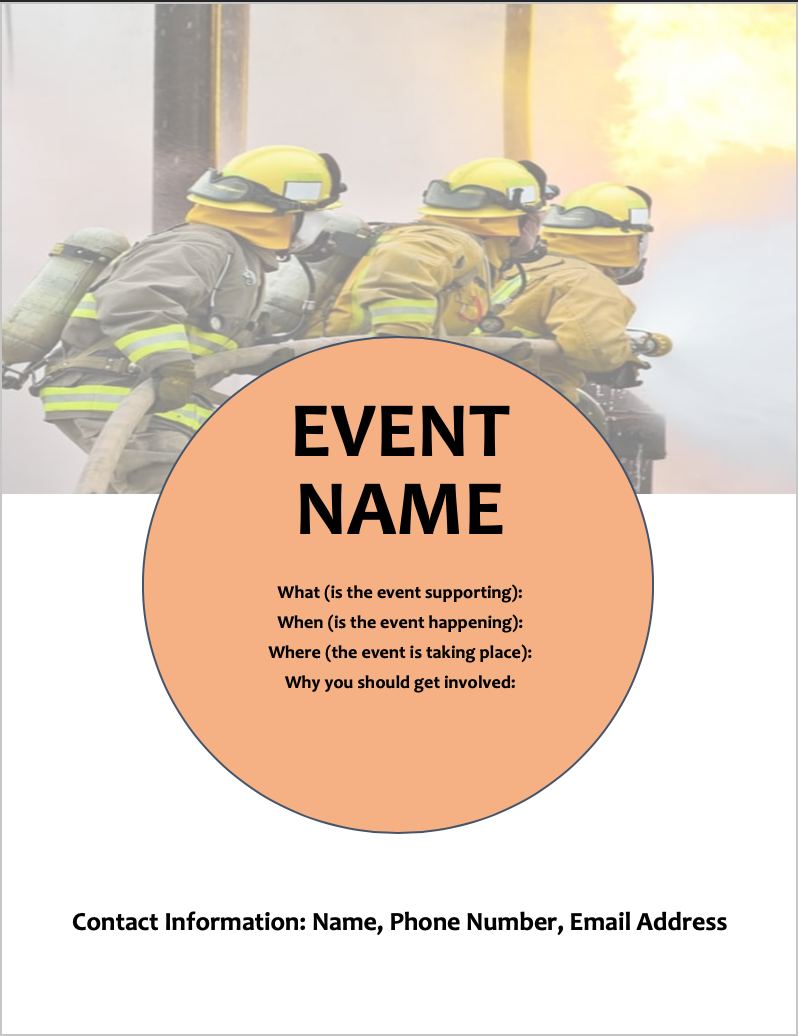
- Flyers (Figure 1)
- Social Media Announcements
- Facebook Group/Events
- Making a Facebook group or event is a good way to keep track of attendance and to get the word out in the community you are reaching out to.
- Make sure to keep the invitation public so anyone can join.
- Ex: Centre County Moms — for the Centre County community, a good group to contact to get the word out and make contacts to communicate the event
- Radio Station Shout Outs
- Gain contact with your local radio station to ask to advertise this event. More times than not, they are willing to make announcements
Marketing Timeline
Figure 2 is an example of a timeline that could be very helpful to keep your team on track.
Figure 2. Marketing Timeline
- Set deadlines 6 months prior to the event
- Delegate roles and responsibilities (flyer posting, getting in contact with the radio station, making social media posts, etc.)
- Ask for opinions of others in the community you are targeting
- Wait until the last minute to advertise; you will need a lot of time
- Make assumptions about your audience. Find out if the community utilizes social media, listens to the radio, or pays attention to flyers.
- Be overbearing with announcements, social media posts, etc. But, on the other hand, do not have minimal announcements.
Data Collection and Feedback
There are three survey tools you will need to evaluate the impact of your event:
- A pre-event assessment
- A post-event assessment
- A post-event feedback survey
Distribute these assessments to as many participants as you can to help you make decisions about future iterations of the event.
Pre/post-assessments
Distribute this same test to participants both before the event occurs and after the event to track participants' changes in perceptions about their knowledge and fitness. These assessments will show how much the participants learned from participating. You should tailor your pre- and post-assessments to the types of skills that you will be testing at your event. Click to see a sample ▶pre- and post-assessment.
Participant feedback
This assessment will help you understand the impact of the event from the participant's perspective and provide valuable insight in planning future iterations of the event. Click here to see a sample ▶event feedback survey.
Improving the event
Do you have insights from your participant feedback that will help others plan their own events? Share them with us! ✉Send your recommendations
The Force for Health
Share your event and accomplishments!
Tag @MyHealthyHuntingdon or @ForceForHealth in your favorite social media platforms!
Visit theforce.health for more information about the Force for Health.
References
911 Health Watch. (2017). Retrieved from http://www.911healthwatch.org/the-programs/
Bleeding Control. (2019). Retrieved from https://www.bleedingcontrol.org/about-bc
Code Green Campaign. (2019). Retrieved from https://codegreencampaign.org/
Community Emergency Response Team. (2019). Retrieved from https://www.ready.gov/community-emergency-response-team
Dunn, L., & Fox, M. (2018, September 11). 9/11 first responders join death toll from attack. Retrieved from https://www.nbcnews.com/storyline/9-11-anniversary/9-11-first-responders-begin-feel-attack-s-long-term-n908306
Humboldt State University. (2015, April 27). Researchers raise the fitness bar for first responders. ScienceDaily. Retrieved March 19, 2019. Retrieved from https://www.sciencedaily.com/releases/2015/04/150427152303.htm
McKay, J. (2018). First Responders Are Beginning to Address Their Own Health. Retrieved from https://www.govtech.com/em/preparedness/First-Responders-Are-Beginning-to-Address-Their-Own-Health-.html
SAMHSA. (2018, May). First Responders: Behavioral Health Concerns, Emergency Response, and Trauma. Retrieved from https://www.samhsa.gov/sites/default/files/dtac/supplementalresearchbulletin-firstresponders-may2018.pdf
Treatment Programs for First Responders. (2018). Retrieved from https://www.alcohol.org/professions/first-responders
 Learn It · Live It · Share It™
Now plan yours.
Turn this manual into your own event. The interactive course walks you through all four chapters, and each step you finish becomes a page of My Event Plan. When you're done, you have a printable plan to hand to your local fire, EMS and police partners.
 Earn the Event Planner BadgeThis challenge is the worked example. Finish the course to earn the badge and +500 LIVE It! coins.
About this edition · Written in April 2019 by Penn State Master of Health Administration students Jessica Dranzik, Emma Hannan, Jessica Sellitto and Evan Wagner for The Force for Health® Network. Statistics are as reported in their 2019 sources (see References). Some widely repeated figures, such as the law-enforcement divorce rate, have since been questioned by later research. Check current data before you quote it.
theforce.health · FFH Virtual Library · Preparedness & First Response